






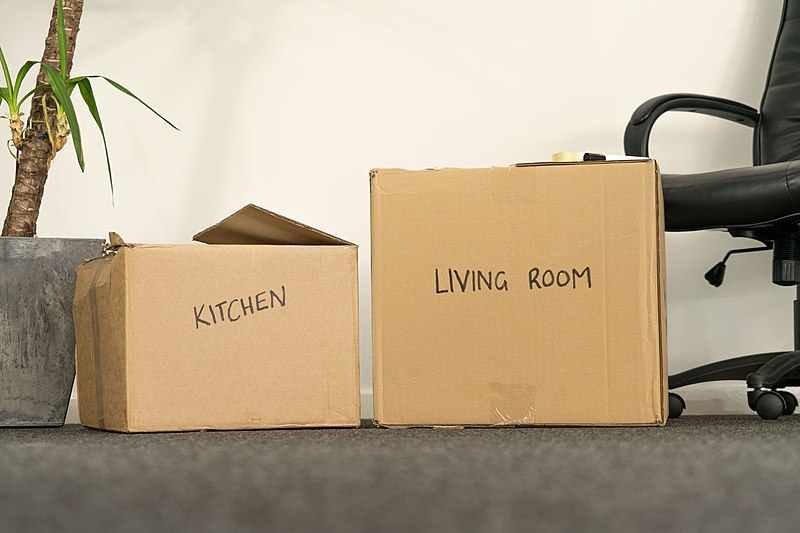
Moving to a new area can be an exciting fresh start, but it also requires careful planning.
Whether relocating for work, family or lifestyle reasons, ensuring a smooth transition involves more than just packing boxes.
There are practical, administrative and personal considerations to address before you settle in. Keep reading to find out all you need to know.
Organise Your Finances
Before moving, review your financial situation. Ensure your bank is aware of your change of address to prevent any disruption in services.
If you are switching to a new local branch, consider updating standing orders and direct debits.
Additionally, if your move involves significant changes in living costs, such as rent or commuting expenses, budgeting ahead can reduce stress.
Update Your Address
Notify relevant organisations of your new address. This includes your bank, insurance providers, mobile phone operator and subscription services.
Updating your address with government departments, such as HM Revenue & Customs and the DVLA, is crucial to ensure you receive official correspondence without delay.
Health and Medical Services
Registering with local health services is an essential step. If you have ongoing medical needs, ensuring continuity of care should be a priority.
One useful resource is finding a GP with bookable.health, which helps locate available doctors in your new area.
By arranging appointments early, you can avoid gaps in treatment and ensure access to prescriptions and routine check-ups.
Education and Childcare
Families with children should research local schools and nurseries in advance.
Admission procedures can vary widely, so contacting institutions early can prevent last-minute stress.
For older children, understanding catchment areas and transportation options is particularly important to ensure a smooth school transition.
Utilities and Services
Set up or transfer utilities before moving day. This includes electricity, gas, water, broadband and TV licenses.
Scheduling installation or transfer dates ahead of time reduces the risk of being without essential services.
Likewise, consider waste collection schedules, parking permits and other local regulations that may differ from your previous area.
Transport and Commuting
Assess your transport options in the new location. If you rely on public transport, check local bus or train routes.
For drivers, familiarise yourself with local parking rules and traffic patterns. If your new commute is longer, planning the route in advance can help you adjust more easily.
Community and Social Connections
Finally, moving to a new area can feel isolating without familiar contacts. Consider joining local clubs, sports teams or community groups to build connections.
Exploring the neighbourhood, local shops and amenities helps establish a sense of belonging and makes the area feel like home more quickly.
In conclusion, preparing for a move involves much more than just physical relocation.
From finances and utilities to healthcare and community connections, planning ahead can make the process smoother and less stressful.
Taking proactive steps ensures that when you arrive, you can focus on settling in rather than scrambling to get everything in order.
By approaching the move methodically, you can turn a potentially chaotic transition into a positive and organised experience.
(Pic under creative commons licence)










Recent Comments