






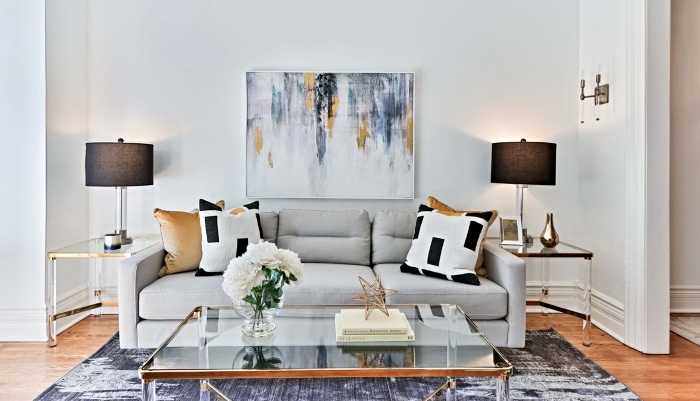
The spaces we inhabit shape our daily habits in meaningful ways, often without our conscious awareness.
Our home environments, from wall colours to furniture arrangements, create subtle psychological cues that influence how we interact with technology.
Herringbone flooring, with its distinctive V-shaped pattern, represents more than just an aesthetic choice; it establishes visual rhythm and order that can affect our focus and attention patterns.
Recent studies suggest that our physical surroundings directly impact our digital behaviours.
Rooms with organised, visually pleasing elements like herringbone patterns tend to encourage more mindful technology use compared to cluttered or chaotic spaces.
The structured nature of these classic floor designs creates a sense of order that can help counterbalance the often scattered nature of our digital lives.
As more people work and study from home, the connection between interior design choices and screen time habits becomes increasingly relevant.
The flooring beneath our feet, often overlooked in conversations about digital wellbeing, may play a surprising role in how we engage with our devices and maintain healthy boundaries in an always-connected world.
The Psychology Behind Pattern Recognition in Living Spaces
Our brains naturally seek out and respond to patterns in our environment. This basic aspect of human cognition affects how we experience our living spaces.
Studies show that flooring patterns influence our emotions and energy levels, impacting our ability to focus during digital activities.
When we enter a room with distinctive flooring, our brains process the repeating pattern efficiently.
This creates a sense of visual order that requires less mental energy to process, leaving more cognitive resources available for tasks requiring concentration.
Research suggests structured environments can lower stress and support attention.
Minimising visual noise through consistent patterns improves attention spans, making it less taxing to work or relax near screens.
Why Geometric Patterns Like Herringbone Create Mental Clarity
Distinctive patterns have featured in architecture and design since the Roman Empire. Their enduring popularity stems from how they create movement and flow within static spaces.
The directional nature of herringbone flooring guides the eye, forming visual pathways that direct attention productively.
Studies comparing interior environments have found that spaces with organised geometric patterns reduce mental strain.
The brain processes these regular, predictable patterns more efficiently than random designs, resulting in greater mental clarity during digital activities.
This pattern psychology explains why many room design for focus experts recommend structured flooring in spaces where concentration matters.
The visual rhythm provides a stabilising effect that counterbalances the often chaotic nature of digital information.
How Floor Patterns Influence Digital Device Usage
The relationship between physical surroundings and technology habits extends beyond aesthetics.
Environmental psychologists have documented how room layouts and design elements create subtle cues that influence our behaviour with digital devices.
Floor patterns establish what designers call “activity zones” within homes.
The directional nature of patterned flooring naturally guides movement and helps define areas dedicated to different purposes, creating boundaries between work and relaxation spaces.
Research in environmental psychology shows that changing physical elements helps create psychological boundaries.
A defined floor pattern signals specific zones for work or device-free time, supporting intentional screen use habits.
Creating Tech-Free Zones Through Design Elements
One effective strategy for managing digital habits involves using contrasting flooring patterns to designate device-free areas.
A distinctive pattern in the dining area visually separates it from surrounding spaces, reinforcing that meals should be screen-free times for family connection.
Studies on tech-life balance show that using flooring transitions helps establish visual boundaries.
These boundaries cue household members to adjust their digital habits as they move between areas, making it easier to respect device-free rules.
Practical tips for using flooring to signal behaviour changes include creating clear thresholds between rooms and maintaining consistent flooring in areas with similar purposes.
These visual cues become effective reminders about how spaces should be used.
Material Choices That Support Digital Wellbeing
Beyond pattern, flooring materials strongly affect how we feel and function.
Research in sensory design indicates natural materials like wood create different psychological responses compared to synthetic alternatives.
Studies in environmental psychology suggest natural materials support wellbeing through their tactile and visual qualities.
The warmth and texture of real wood encourages relaxation within digital environments, aligning with biophilic design principles that meet our innate preference for natural elements.
The tactile quality of flooring plays a role in grounding attention during screen use.
Contact with textured natural surfaces supports presence and physical awareness, counteracting the sensory detachment often experienced during digital device use.
Creating Digital Wellbeing Spaces Through Material Selection
Material choices affect practical aspects of digital wellbeing too. Flooring that reduces noise creates quieter environments for video calls and focused work.
Materials that minimise visual distractions like dust support clearer thinking.
When designing digital wellbeing spaces, consider how flooring materials affect acoustics, comfort, and maintenance needs.
These practical considerations directly impact how comfortable and focused we feel during screen-based activities.
Herringbone flooring combines visual order with practical benefits that support healthy technology use, making it an excellent choice for creating balanced digital environments at home.
Simple Changes for Immediate Improvements
Simple changes to room layouts that work with existing flooring patterns provide immediate results.
Positioning desks and screens to align with the directional flow of patterns creates a more harmonious work environment that supports focused attention.
Experts recommend considering pattern scale based on room size and purpose.
Smaller patterns create a sense of detail suitable for focused work areas, while larger patterns help define broader spaces where multiple activities might occur.
When planning room design for focus, consider how flooring patterns direct attention and movement.
Even small adjustments to furniture placement relative to floor patterns can significantly improve your tech-life balance.
(Image from Unsplash, free to use)









Recent Comments