






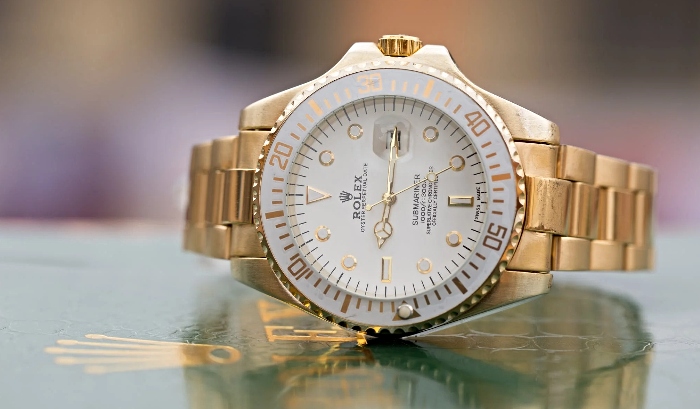
Buying your first luxury watch is more than just a purchase – it’s a rite of passage.
A well-chosen timepiece becomes a symbol of taste, craftsmanship, and personal achievement.
But with countless brands, models, and styles to choose from, the journey can be overwhelming.
This guide will walk you through the essential steps of selecting your first luxury watch, from setting a budget to making the final purchase with confidence.
Step 1: Define Your Budget
The first decision isn’t about style or brand—it’s about numbers. Luxury watches range from around £1500 for entry-level models to well over six figures for rare or complicated pieces.
Knowing your limit helps you narrow the field and focus on realistic options.
● Entry-level luxury: £1,500–£4,000 (Tudor, Longines, Oris)
● Mid-tier luxury: £4,000–£12,000 (Omega, Cartier, Breitling)
● High-end luxury: £12,000 and above (Rolex, Patek Philippe, Audemars Piguet)
Don’t forget to budget for ongoing costs such as servicing, insurance premiums, and strap changes.
In the UK, insurers often require watches over a certain value to be listed separately on home contents cover.
Step 2: Explore Brands and Their Heritage
Each luxury watch brand has its own story and philosophy.
Understanding these can help you align with the one that resonates most with your personality.
● Omega is associated with exploration, from the moon-landing Speedmaster to James Bond’s Seamaster.
● Cartier brings elegance and design heritage, with iconic pieces like the Tank and Santos.
● Tudor, Rolex’s sister company, blends vintage-inspired looks with modern affordability.
● Rolex itself stands as the universal symbol of success, known for its robust sports models and enduring prestige.
When people hear about someone entering a raffle to win a Rolex watch, it speaks volumes about the cultural value attached to the brand.
That aspirational aura is what makes Rolex and other maisons more than just watchmakers—they are icons.
Step 3: Choose Your Style
Luxury watches come in different categories, and choosing one depends largely on your lifestyle and aesthetic preference.
● Dress watches – Slim, elegant, and often paired with leather straps. Perfect for business or formal wear. (Example: Cartier Tank)
● Dive watches – Robust, water-resistant, with rotating bezels and luminous markers. Great for everyday use. (Example: Tudor Black Bay)
● Chronographs – Sporty watches with stopwatch functions, loved by racing enthusiasts. (Example: Omega Speedmaster)
● Minimalist designs – Simple, clean dials that emphasize elegance and versatility. (Examples: Nomos Tangente, Jaeger-LeCoultre Master Ultra Thin)
Think about where and how you’ll wear the watch. Is it meant to be a daily companion, a weekend accessory, or a future heirloom?
Step 4: New vs. Pre-Owned
A major choice for first-time buyers is whether to purchase new or pre-owned. Both markets have advantages.
● New watches: Buying new from an authorized dealer guarantees authenticity, warranty, and that fresh “from the boutique” feeling. It also provides peace of mind if you’re not yet familiar with the watch world.
● Pre-owned watches: The secondary market offers greater variety and potentially better pricing. It’s also the only way to access discontinued or vintage models. However, it requires more caution—condition, servicing history, and authenticity must be carefully vetted.
Many enthusiasts begin with new purchases for security, then gradually explore pre-owned opportunities once they feel more confident.
Step 5: Practical Considerations
Beyond looks and branding, there are practical factors that every buyer should weigh.
● Service costs: Luxury watches require maintenance every 5–10 years, often costing several hundred pounds. Complicated models like chronographs or tourbillons can cost significantly more to service.
● Warranties: Most major brands now offer extended warranties—Rolex and Omega both provide five years, while others may vary. Always confirm coverage.
● Resale value: While your first watch should be about passion, it’s wise to know how well it holds value. Rolex and Patek Philippe typically retain strong resale potential, while others may depreciate more quickly.
Interestingly, many collectors who start out dreaming to win a Rolex watch eventually realize that its strength in resale value makes it one of the most practical investments in horology.
Step 6: Entry-Level Icons to Consider
If you’re ready to take the plunge, here are some classic first-time luxury watches that combine heritage, style, and strong reputations:
● Omega Speedmaster Professional (“Moonwatch”) – The legendary chronograph worn on the moon. Around £5,500–£6,000 new in the UK.
● Cartier Tank Must – Timeless elegance, worn by icons like Jackie Kennedy. Around £3,000–£3,500.
● Tudor Black Bay Fifty-Eight – A vintage-inspired diver with modern reliability. Around £3,200–£3,600.
● Rolex Oyster Perpetual 36 – Clean, versatile, and timeless. Official retail is £6,000–£6,500, though secondary market demand often pushes prices higher.
These models are not just watches but conversation starters, representing stepping stones into the world of serious collecting.
Step 7: Avoiding Counterfeits and Buying Safely
Unfortunately, the popularity of luxury watches means counterfeits are widespread.
Some fakes are crude, but others can fool even seasoned buyers.
To avoid costly mistakes:
● Buy from trusted dealers: Authorized retailers or well-established pre-owned sellers with strong reputations.
● Verify documentation: Look for original papers, boxes, and serial numbers.
● Do your research: Join watch forums or enthusiast groups to learn red flags for the specific model you’re eyeing.
● Trust your instincts: If the deal looks too good to be true, it probably is.
Your first purchase should be as stress-free as possible, so prioritize security and peace of mind over chasing the lowest price.
Making Time Count
Choosing your first luxury watch is an experience to savour.
From defining your budget to exploring styles and considering practical factors, each step brings you closer to finding a timepiece that reflects your identity.
Whether you opt for the versatile Omega Speedmaster, the refined Cartier Tank, the adventurous Tudor Black Bay, or eventually the timeless prestige of a Rolex, your first watch should be one that feels personal.
More than a tool, a luxury watch becomes a memory, a marker of achievement, and perhaps the beginning of a lifelong passion.
With the right choice, your first luxury watch won’t just tell time, it will tell your story.
(Image free to use pic on pexels – by Antony Trivet)








It really makes me smile just how shallow minded/narcissistic some folks can be feeling the need to spend £1000s on a so called ‘Luxury watch’ which depreciates dramatically overnight when my £70 Accurist, bought 15 years ago, still keeps exactly same time as a Rolex, looks quite presentable on the wrist and can be worn 24/7 without risk of mugging/criminal assault.