





Small businesses are often targeted by cybercriminals. They usually see smaller companies as easier targets because they often lack robust protection.
The good news is that improving your security doesn’t always mean costly tools or complex systems.
You can take meaningful steps with practical measures that fit your budget. Keep reading to discover simple actions that can help protect your business from online threats.
Use Strong, Unique Passwords For All Accounts
Weak passwords are a common entry point for hackers.
Each account should have its unique password that combines letters, numbers, and symbols. Avoid predictable choices or personal details.
Using a password manager can make this easier, as it stores passwords securely and generates strong options for you.
This simple step can prevent criminals from gaining access to your business systems.
Keep Software And Systems Updated
Cybercriminals exploit outdated software because it often contains known vulnerabilities.
Regularly updating your operating systems, applications, and security tools ensures that you have the latest protection.
Set devices to update automatically where possible, so that important patches aren’t missed.
You can also get IT support services from Mustardit.co.uk to manage updates and security checks for you, reducing the risk of a breach.
Train Staff To Recognise Threats
Your employees are your first line of defence. Many attacks, such as phishing emails, rely on tricking people into clicking malicious links.
Offer simple, regular training on how to spot suspicious messages, requests for sensitive data, or unusual account activity.
Clear reporting procedures will help staff act quickly if they suspect a threat. Even a short awareness session can make a big difference.
Back Up Data Regularly
Data loss can cripple a business, whether from a cyberattack, hardware failure, or accidental deletion.
Keep secure backups of critical files in more than one location, such as an external drive and a trusted cloud service.
Test your backups regularly to ensure they can be restored quickly. In the event of an incident, having reliable backups can be the difference between recovery and closure.
Use Multi-Factor Authentication (MFA)
Passwords alone aren’t always enough. MFA adds another security layer, requiring a second step such as a code sent to your phone or a fingerprint scan.
This makes it harder for attackers to access accounts, even if they have the password.
Many services now offer MFA at no extra cost, making it a low-effort, high-impact way to strengthen security.
Staying Safe Is An Ongoing Process
Cybersecurity isn’t a one-off task but an ongoing part of running your business.
By using strong passwords, keeping systems updated, training your team, backing up data, and enabling MFA, you significantly reduce your risk.
The threats may be constant, but with consistent effort, your small business can operate with greater confidence and fewer disruptions.
Start applying these tips today and make security a natural part of your daily operations.
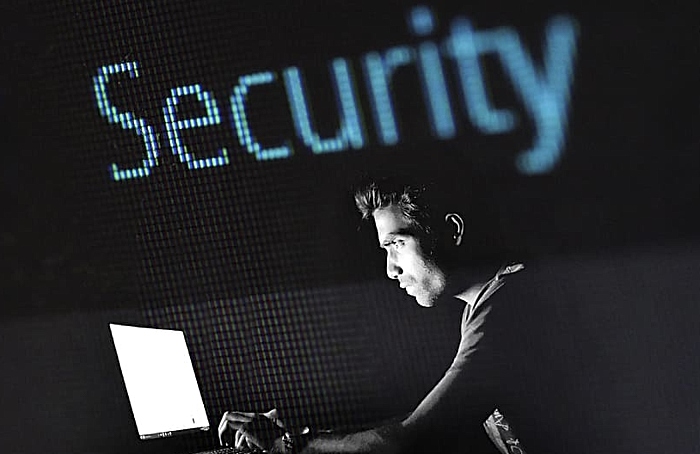
(pic by piqsels, licence free)









Recent Comments