






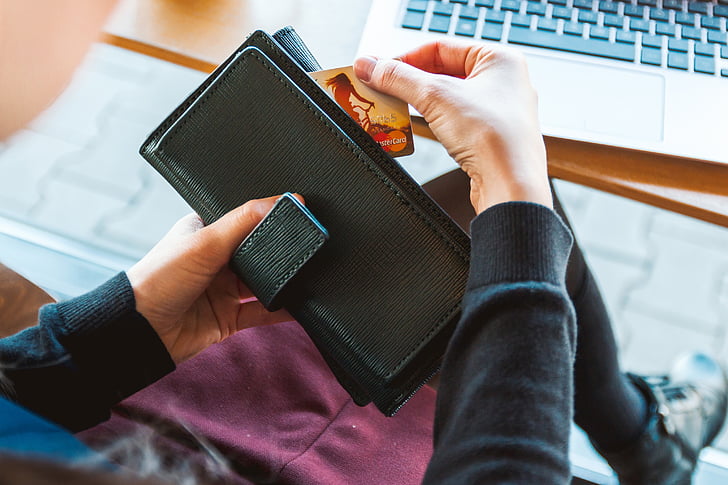
Payment infrastructure has gone through an extraordinary change from the earliest days of bartering products to the contemporary quick transactions.
Community progress, technological improvements, and global connectivity have finally shaped the way people exchange finances.
Today, this process is more efficient and globally accessible. Transaction safety and their general speed have become equally (if not more) important than their convenience.
Even in markets like entertainment, the choice of payment options has evolved and expanded.
Now, let’s explore how means of payment have progressed throughout history.
From Barter Systems to Paper Money and Digital Assets
For thousands of years, the manner individuals obtained various goods and services has transformed radically.
It all began with simple exchanges of tools and, for now, ended with complicated digital transactions.
Each period of progress mirrors advances in trade, technology, and society.
We have compiled a summary of how various payment platforms developed from their earliest forms to the modern technologies we use now.
1. Early ages. In ancient times, long before modern payment systems, people relied entirely on bartering. They simply exchanged all sorts of goods and services directly without any currency. At that time, this system worked locally but was somewhat limited in effectiveness and scope.
2. The origin of coinage. Scientists declare that the first metal coins appeared on the territory of ancient Lydia (contemporary Turkey) around 580 BCE. It provided people with more or less identical exchange options, which quickly paved the way for trade development.
3. Paper money. First banknotes originated in China during the Tang and Song dynasties (mid-7th century CE). Thanks to the invention of paper money, huge transactions became more convenient. Later on, they spread globally.
4. Modern banking. In the 20th century, debit cards were launched, which quickly made cashless money transfers mainstream. In 1978, the First National Bank of Seattle issued the world’s first debit cards.
5. Digital era. Mobile wallets, cryptocurrencies, and immediate transfers are the key payment solutions in small businesses and literally everywhere. They all have such common features as swiftness, safety, and global availability.
Global Connectivity and Inclusion
All available innovations in monetary infrastructure allow individuals to send and receive finances almost instantly, regardless of their current location.
All sorts of businesses, especially online, now flourish thanks to these systems, which completely remove the delays and high fees related to cross-border payments.
The role various payment methods play in financial inclusion is equally important.
Various apps, e-wallets, and other handy services allow individuals from almost all locations to actively take part in the worldwide fiscal system.
For example, people from different countries can now access the same online platforms and use a variety of payment gateways to complete transactions.
After conventional banking solutions have been united with contemporary instruments, cross-border money transfers start to actively drive economic growth and provide new options for millions of customers who were previously disqualified from financial networks.
Speed and Efficiency
Present payment solutions have considerably diminished transaction times compared to long-established methods like mailed checks or bank drafts.
Such innovations as Google Pay or Trustly make immediate transfers possible. Be it an online shopping hub or a subscription-based service, these let individuals complete payments within seconds.
This swiftness improves effectiveness and greatly boosts client satisfaction.
Hence, the mixture of quick processing time and trustworthy technology has set a new standard for efficiency in the contemporary payment industry.
Security and Trust in Payments
Various sorts of payment systems have advanced over time, not only in swiftness and convenience but also in protecting customers’ information and funds.
Early electronic transactions relied on basic password protection.
Today’s methods use far stronger measures, like SSL encryption, which completely prevents data interception by fraudsters.
Biometric authentication methods, like facial recognition or fingerprint, guarantee that only the account owner can approve money transfers.
Two-factor authentication, now common across many online services, combines passwords with device confirmations or one-time codes for added security.
These and other innovations have already persuaded more people to utilise modern financial technologies confidently.
Emerging Technologies That Empower Transactions
Blockchain technology has revolutionised payments by offering transparent, decentralised, and tamper-resistant payments.
At the same time, artificial intelligence is being actively integrated into payment systems to detect fraud in real time and automate all financial processes.
As blockchain networks develop and AI algorithms become more advanced, modern payment solutions are becoming smarter and more flexible to international financial needs.
However, their usage is not regulated everywhere. For instance, best live casino sites cannot accept crypto payments from customers in the UK due to local gambling regulations.
What’s Next?
So, what should we expect in the future? We may suppose that payment networks will most likely become even smarter and internationally available.
Sophisticated improvements in blockchain and AI will keep on enhancing customers’ payment needs. We may see even greater integration of cryptocurrencies and deeper cross-border interaction.
The article suggests information provided by an iGaming expert, Oksana Kumetska.









Recent Comments