






We live online now. Phones are buzzing every five seconds. Screens are lighting up our faces late at night.
Work, friends, even family dinners somehow find their way onto apps and group chats. It’s all there. Convenient, sure. But does it feel real?
Scroll long enough, and you’ll see it: we’re connected, but strangely lonely. Memes instead of laughter across the table.
Emojis instead of eye contact. A voice note dropped at 2 a.m. instead of a late-night talk on the porch.
It’s not that digital spaces are bad. They’re just… thin. Like a shadow of the thing we actually crave.
Why spaces still matter
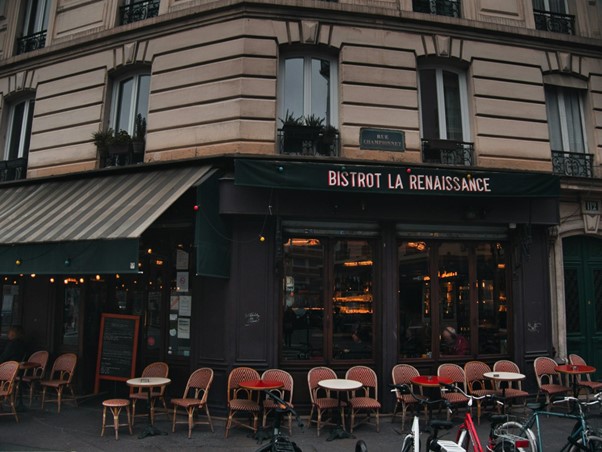
Ever walked into a café and felt it? The buzz of voices overlaps. The smell of roasted beans.
Someone is laughing too loudly in the corner. That little slice of chaos tells your brain, you’re not alone. Humans feed off that energy.
Shared spaces remind us what’s missing when everything else goes digital. Gyms aren’t only about weights.
Parks aren’t only about trees. Offices, even the ones people grumble about, offer that bump-into-someone moment.
The spontaneous chat that can’t be replicated on Zoom. We don’t log into a café. We belong there.
And yes, you’ll still see laptops out, but being around other people is half the point. Even when strangers don’t talk, they anchor you. Like, hey, life’s happening here.
The pandemic hangover
The pandemic rewired us. Suddenly, “normal” meant being alone. Work from home, shop from home, socialize from home.
Zoom birthdays became a thing. Remember those? Flat, awkward, pixelated smiles. Everyone is talking at once or not at all.
At first, it felt innovative. But after months, maybe years, something cracked. Humans began to realize that digital wasn’t enough.
That craving for noise, touch, and presence didn’t disappear just because we had Wi-Fi. The second people could, they rushed back to bars, gyms, clubs, and coworking spaces.
Not just because they missed the activity, but also because they missed the pulse of the people.
The New Blend of Online and Offline
So here’s the weird part. We didn’t ditch digital. We blended it. Apps still dominate, but there’s a growing desire to tie them back to physical life. Think of dating apps.
Swiping only works if it leads to coffee somewhere, right? That “let’s meet in person” moment is the payoff. Without it, it fizzles.
Same with entertainment. Streaming is great, but it doesn’t kill the thrill of live concerts.
Sports betting? Millions join apps every week. Yet casinos, lounges, and stadiums remain packed because experience matters.
Platforms like many of the UK’s most popular online casino sites are booming, but they don’t erase the appeal of walking into a real room filled with noise and anticipation.
It’s not a battle between online and offline. It’s more like a dance. One fuels the other.
The science of together
Psychologists call it social energy; Being near others can change one’s mood, reduce stress, and spark creativity.
It’s why coworking hubs exploded. People want flexibility, but not isolation.
The random overheard idea, the “you too?” laugh, the feeling of being seen. Those things don’t happen alone at a desk at home.
Even gyms prove the point. You could buy dumbbells and stream workouts. Cheaper. Easier.
But the shared grind, music blasting, trainers shouting, everyone sweating in the same room, that’s what pulls people in. It’s a community disguised as exercise.
Obstacles in the way
Not everyone wants back. Some got too comfortable at home. Sweatpants all day. No commute.
A fridge ten steps away. For them, shared spaces feel unnecessary. Why bother?
And honestly, digital tools are getting sharper. VR meetups. Online hangouts with spatial audio. The line blurs more every year.
But comfort isn’t connection. And the “close enough” feeling of digital rarely lasts. That’s why even the most introverted people eventually crave a coffee with someone in the flesh.
Where Shared Spaces Go Next
The future probably won’t look like the past. Offices may shrink. Cafés may double as coworking spots.
Gyms might lean more into social clubs than exercise halls. Libraries, once quiet spaces, are now experimenting with community hubs.
The design of spaces is shifting, from being primarily about the task to being more about togetherness.
And new hybrids keep showing up. Gaming cafés where players meet IRL. Pop-up art shows where strangers mingle.
Bookstores doubling as event venues. Shared spaces morph because the need to connect is ancient. Tech keeps pushing them to reinvent.
Final Thoughts
So, can shared spaces revive our social side in a digital world? Probably. But not like flipping a switch.
It’s a slow rebuild. Every café meetup, every pickup game, every after-work drink adds bricks back to the wall that digital living chipped away.
We’ll always keep our phones. We’ll always scroll too long. But when it really counts, most of us still want the handshake, the laugh, the messy, unpredictable vibe of being in a room full of people.
That’s not nostalgia. It’s biology. Because in the end, presence beats pixels.
(Photo by Anmol Ramanujam on Unsplash)









Recent Comments