






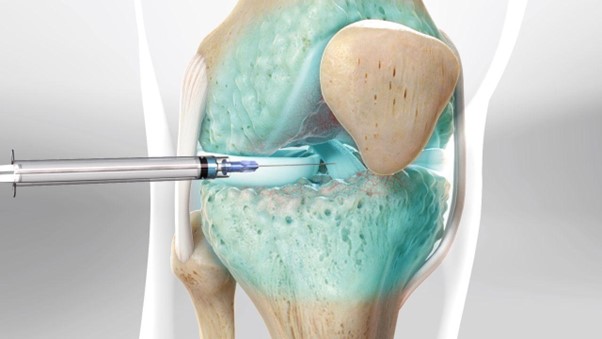
Anyone who has dealt with persistent joint pain knows the routine: ice packs, painkillers, endless physiotherapy exercises.
Sometimes it works. Often, it only dulls the discomfort. But when pain starts affecting sleep and daily life, the situation changes.
That is the moment you may hear about Steroid Injections as a targeted way to get inflammation under control.
Despite common myths, this approach is not extreme or reserved only for athletes. It is a regulated and practical treatment used when basic methods fail.
Why doctors recommend injections
If your doctor brings this up, it means your condition has reached a “refractory” stage, in simple terms, it’s not responding to conservative treatments.
Chronic joint pain is frequently pushed through inflammation. When tissues like tendons or joint drugs end up irritated, the frame triggers an inflammatory response: multiplied blood flow, immune activity, and fluid build-up.
In tight joint spaces, this swelling creates pressure, compresses nerves, and ends in chronic pain.
A steroid injection works by delivering powerful anti-inflammatory medication directly to the source, essentially calming the “fire” so the body can reset and begin recovery.
Precision matters
Modern injections are often achieved under ultrasound guidance. This allows the clinician to appearance exactly in which the needle is going, improving every safety and effectiveness.
It removes guesswork and guarantees the medication reaches the inflamed area.
Who benefits most
Steroid injections are typically used for chronic conditions, not fresh injuries.
Common cases include:
● Osteoarthritis flare-ups
● Bursitis in the shoulder or hip
● Carpal tunnel syndrome
● Plantar fasciitis
● Frozen shoulder
Expectations vs reality
Many patients expect instant, lasting relief, but that’s not how it works.
Most injections include a local anesthetic and a steroid. The anesthetic works quickly, giving temporary relief for a few hours.
After it wears off, pain may actually worsen for a short time, this is known as a “steroid flare.”
The steroid itself takes 2–7 days to start working. Once it does, relief can last weeks or even months, occasionally up to a year.
Side effects and limits
Steroid injections are generally safe but not risk-free.
Possible side effects include:
● Temporary facial flushing
● Blood sugar spikes (important for diabetics)
There’s also a strict limit on frequency. Repeated injections in the same area can weaken tendons and damage cartilage.
Most doctors limit this to 3–4 injections per year in one joint.
Warning signs after the injection
Although rare, infection is the most serious risk. Seek medical attention if you notice:
● Increasing heat or redness at the injection site
● Fever or feeling unwell
● Severe or worsening pain after 48 hours
Making the most of relief
A key point: injections don’t fix the root problem. They don’t restore cartilage or correct poor posture. What they do is create a window of reduced pain.
How you use that window matters
Returning immediately to heavy activity is a mistake and can lead to further injury.
Instead, this is the ideal time for proper rehabilitation.
With pain reduced, you can perform strengthening exercises effectively and improve joint support.









Recent Comments