






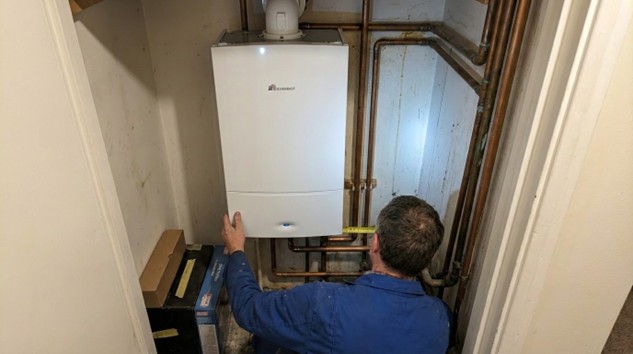
For properties off the gas grid, a new oil boiler remains one of the most practical and cost-effective heating options.
Oil-fired boilers are particularly common in rural areas of the UK where a mains gas supply is unavailable, and modern models are far more efficient and reliable than their older counterparts.
If you are considering upgrading your heating system, understanding the benefits and considerations of oil boilers is an important first step.
How Oil Boilers Work
An oil boiler functions much like a gas boiler, except it burns heating oil rather than natural gas.
The boiler heats water that is then circulated through your home’s radiators and hot water cylinder.
Oil is stored in an external tank, which can be positioned above or below ground depending on your property layout.
Modern oil boilers are condensing units, meaning they recover heat from exhaust gases that would otherwise be lost, significantly improving their overall efficiency.
Efficiency and Running Costs
Contemporary oil boilers can achieve efficiency ratings of up to 93%, making them far more economical than older models.
Upgrading from an ageing system to a modern A-rated oil boiler can substantially reduce your annual fuel consumption.
While oil prices fluctuate, buying in bulk during off-peak periods, such as spring and summer, can help you manage costs more effectively.
Many households find that a highly efficient boiler combined with strategic fuel purchasing delivers competitive running costs.
Installation Requirements
Installing an oil boiler requires a qualified OFTEC-registered engineer, who will ensure the system is correctly sized and fitted in accordance with current regulations.
The engineer will also assess the condition and siting of your oil storage tank and advise whether it needs to be replaced or repositioned.
Proper tank siting is important for safety and environmental compliance, as storage tanks must meet specific standards to prevent oil leakage.
Obtaining multiple quotes from reputable OFTEC engineers is strongly advisable.
Maintenance and Annual Servicing
Like all boilers, oil-fired systems require annual servicing to keep them operating safely and efficiently.
During a service, an engineer will clean the combustion chamber, check the flue, inspect the oil filter and nozzle, and test all safety controls.
Regular servicing not only extends the life of your boiler but also ensures it continues to operate at peak efficiency, minimising fuel waste and reducing the risk of unexpected breakdowns.
Environmental Considerations
While oil boilers are less carbon-intensive than older systems, they are still fossil-fuel-based heating solutions.
As the UK moves towards net zero, oil boilers will remain a valid option for existing off-grid properties for the foreseeable future, particularly as biofuel blends become more widely available.
HVO, or hydrotreated vegetable oil, is a lower-carbon alternative fuel compatible with many modern oil boilers, offering a pathway to greener heating without replacing the entire system.
Choosing the Right Oil Boiler
When selecting a new oil boiler, consider the size of your property, the number of rooms and bathrooms, and your existing heating infrastructure.
Output size is measured in kilowatts, and an OFTEC engineer can calculate the correct size for your home.
Leading brands in the oil boiler market include Grant, Worcester Bosch, and Firebird, all of which offer reliable and efficient models with strong manufacturer warranties.









Recent Comments