






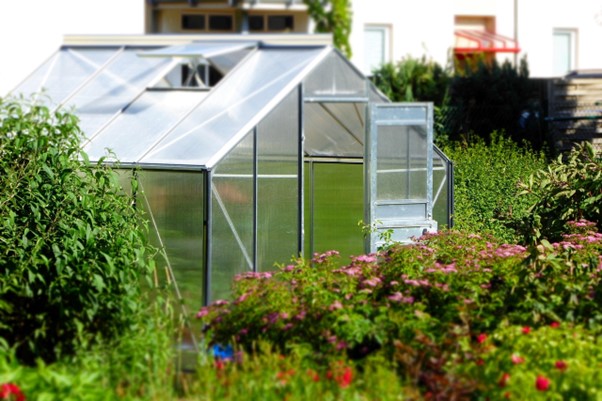
Greenhouses are more than optional garden luxuries — they’re extensions of growing ambition.
Whether nurturing tender seedlings in early spring, overwintering exotic plants, or simply enjoying a sheltered space for year-round horticulture, the right greenhouse can make all the difference.
Before you commit, there are many interwoven choices—size, material, siting, cost, and beyond—that will determine how well your greenhouse works for you.
What Will You Grow — Defining Your Purpose First
Start with the plants. Do you want to raise vegetables, cultivate tropicals, overwinter ornamentals, or start seedlings.
These have different light, temperature, humidity, and space demands. For instance, tomatoes and peppers favour high light and heat; succulents demand excellent drainage and crisp air; orchids may prefer shade and humidity.
Your purpose influences almost every other decision you’ll make.
You need height for heavy, tall plants; for heat-loving crops, strong glazing and good ventilation; for tender seedlings, perhaps staging or shelving rather than soil beds.
Knowing your targets means designing—not just selecting—a structure that serves your garden’s future and its present.
You can explore various greenhouses to see which styles align with your growing goals.
Location, Positioning, and Site Preparation
South-Facing vs Shaded Corners
Ideally, your greenhouse ridge aligns east-west, letting the low winter sun skim in along the long face. That boosts light in dull months. Avoid shadow from large trees, walls, or buildings.
Ground Conditions & Foundation
A firm, level base is essential. Concrete, paving slabs, compacted hardcore with sand—the ground must support the frame and stay stable through frost. Uneven or soft ground causes joint stress, distorts doors, and can lead to leaks.
Access to Water, Electricity & Wind Exposure
Want electricity for grow lights, heaters, or automatic vents? Plan cable routes safely.
Water nearby makes irrigation and cleaning easier. Pay attention to prevailing winds—the windward side needs stronger reinforcement, better anchoring, and possibly less glazing to avoid damage.
Materials & Glazing: Balancing Strength, Light & Maintenance
Frame Materials: Aluminium, Timber, Steel
● Aluminium is lightweight, highly resistant to rust, and needs minimal maintenance.
● Timber (often cedar or treated softwoods) looks beautiful and insulates well, but it needs regular maintenance (painting, treating) to avoid rot or pests.
● Galvanised steel offers great strength but can be heavy, needs good foundations, and may require corrosion protection at joints.
Glazing Types: Glass, Polycarbonate, Acrylic, Toughened Options
● Standard horticultural glass gives excellent light clarity, but it is heavy, fragile, and needs strong framing.
● Toughened or safety glass is stronger, safer, and more durable.
● Polycarbonate (single, twin wall, etc.) is lighter, less fragile, often better insulating, but light transmission is a bit lower and might degrade over time under UV unless well protected.
● Acrylics or plastics are budget-friendly and less fragile, but they scratch more easily and may yellow.
Balance is key: too much heat in summer, too little in winter, too little strength in wind or snow—all risk wasted investment.
Size, Shape & Style: What Fits Best
Full-Size vs Small Greenhouses
If you’ve got space, wider and taller models give flexibility: room to move, staging, maybe even a soil border.
However, small greenhouses are superb if you’re limited by garden space or want to use them for specific tasks, such as growing seedlings or protecting delicate plants.
Compact models can be surprisingly versatile, maximising growing potential without overwhelming your garden.
Traditional vs Lean-To vs Dome & Alternative Shapes
● Traditional freestanding greenhouses give excellent light all around, more ventilation options, and more flexibility in size.
● Lean-to models attach to a wall—useful if you have a south- or west-facing house wall, as such a wall can add passive heat.
● Alternative shapes (domes, semi-hexagonal or planthouse styles) can help in awkward gardens; sometimes they help spread light more evenly.
Roof Pitch, Eaves & Door Heights
Roof slope matters—not just for aesthetics but also to shed rain/snow and avoid water pooling.
Eave height (the height of walls before the roof slope begins) affects how much you can work inside without stooping and how tall plants can get. Doors must be wide enough for your biggest pots or trolley.
Ventilation, Heating & Insulation
In summer, greenhouse interiors can overheat quickly. Roof vents, side vents, louvred panels, or vents that open automatically are extremely helpful.
In winter, insulation (such as double glazing or polycarbonate) and thermal mass (like stone bases, dwarf walls, or water tanks) help retain heat.
If you plan on heating, consider electricity, gas, paraffin options, or green energy sources. Think about the cost of running, safety, and local regulations.
For many UK gardeners, passive heating (orientation, insulation, thermal mass) paired with small electric or solar backup offers a good compromise.
Planning, Regulations & Maintenance
Planning Permission & Building Regulations
Greenhouses are often permitted development under UK rules, but constraints exist around height, distance from boundaries, flood zones, etc.
You’ll need to check if you’re in a conservation area, a listed building, or a local authority with strict rules.
The Royal Horticultural Society has excellent guidance on choosing greenhouses and the legal/structural considerations you should know.
Maintenance & Lifespan
Wood frames need regular treatment; metal frames need corrosion protection; glazing needs cleaning, repairs, and possibly replacement.
Joints may loosen with time; roof glazing is especially prone to leaks if seals fail.
Considering warranties and coating or frame protection helps. Also factor in replacement glazing options.
Cost & Value: What to Budget For
Greenhouse costs vary wildly depending on size, materials, glazing, and extras (heating, ventilation, staging).
A modest aluminium and polycarbonate small greenhouse might cost a few hundred to low thousands; large timber/glass structures with heating and automatics can cost many thousands.
Don’t forget “hidden” costs: foundations, site clearance, delivery, installation, running costs (heating, ventilation, maintenance), and potential planning costs.
Comparing Pre-Built vs Bespoke Solutions
Some buyers prefer kits for predictability and often lower cost; others want bespoke builds adapted to their garden’s quirks.
Bespoke can add extra height, unusual shapes, matching wall colours, and integration with existing landscaping—but expect longer lead times and higher cost.
Final Thoughts: Choosing What You’ll Enjoy Using
A greenhouse shouldn’t be a burden—it should be a joy.
Choose something you’ll use: of a size you can access, with upkeep you’ll keep on top of, built from materials you like living with, placed where the sun, wind, and views work in its favour.
The best greenhouse isn’t always the biggest or the most expensive—it’s the one that fits your space, your plants, your everyday life.
Think of it as a long-term garden partner. Invest wisely in structure, you’ll reap richer harvests, more beautiful blooms, and years of gardening pleasure.









Recent Comments