






Sudden fatigue, breathlessness, and chest discomfort can be terrifying, particularly when they start to interfere with daily activities.
Examination can reveal that multiple coronary arteries are constricted or obstructed, thereby reducing blood flow to the heart muscle.
In such cases, physicians may recommend a triple bypass surgery to create new pathways for blood to circulate through the obstructed areas.
What A Triple Bypass Treats
Coronary artery disease occurs when fatty plaque builds up in the arteries that supply the heart.
Narrowing of the coronary artery can reduce oxygen delivery to the heart, particularly during exertion.
Bypass surgery involves using a blood vessel from another part of the body to create a new channel around a blockage, thereby improving blood flow to the heart muscle.
A triple bypass has three bypass grafts. It does not imply that the disease is hopeless, but it indicates that more than one significant area requires further attention.
How Diagnosis Typically Happens
Diagnosis typically begins with symptom and risk factor assessment, followed by cardiac function tests.
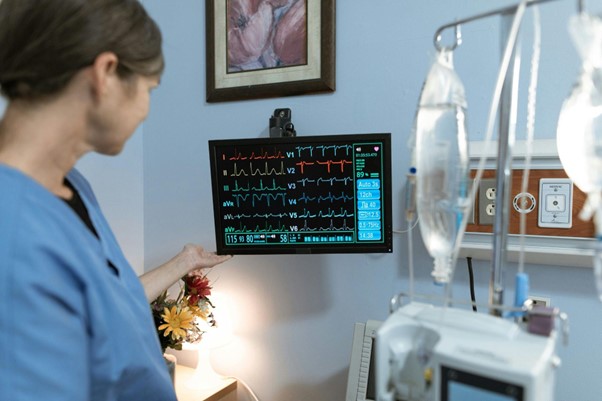
An ECG can be performed to assess rhythm changes or strain. Blood tests may reveal whether the heart muscles have been damaged.
Imaging and stress tests may be used to detect reduced blood supply during exercise.
The most important test is often coronary angiography, which demonstrates the location and severity of the stenosis.
That image assists a cardiology team in determining the most appropriate treatment for the pattern of disease: medication, stents, or surgery.
Request emergency assistance with chest pain that is acute, unrelenting or fails to alleviate with relaxation, particularly along with sweating, nausea, weakness or shortness of breath.
Why Surgery May Be Recommended
The combination informs a bypass recommendation of symptoms, arterial anatomy, and anticipated benefit.
Certain blockages cannot be readily treated with stents, particularly when the disease is extensive or has affected multiple major vessels.
In case the symptoms persist despite medication, or the risk of heart problems in future is high, surgery can also be considered.
Physicians also consider overall cardiac function, other medical complications, and the potential long-term benefit of restoring blood circulation with grafts.
Preparing For The Operation
Preparation is both practical and medical. You may be required to undergo pre-assessment tests, such as blood tests, chest X-rays, and interviews regarding existing medication.
Certain medications may need to be changed before surgery; therefore, it is essential to adhere to the plan provided by your clinical team.
The preparation of lifestyle is also assistive. Provide home-based assistance, arrange transportation, and establish a comfortable recovery environment. Bring loose clothes that do not rub against the chest.
In case you smoke, quitting is among the most useful smoking habits to help in wound healing and recovery of the lungs.
Some of the questions that should be asked include which grafts are intended, the expected duration of hospitalisation, and how recovery milestones are typically measured.
What Happens On Surgery Day
Bypass surgery is done under general anaesthesia. Conventional CABG is typically performed through a midline incision in the chest.
Surgeons remove a blood vessel from the chest, arm, or leg and connect it to bypass the constricted coronary arteries.
The team can resort to a heart-lung bypass machine or use methods that do not disrupt cardiac function, depending on the case.
Your surgeon will discuss which option is appropriate for your anatomy and risk profile. Patients are closely monitored, typically in the intensive care unit, during the first day or two after surgery.
Hospital Recovery And Early Milestones
The average hospital stay is approximately 1 week, but this may vary depending on overall health and complications.
Early recovery focuses on breathing exercises, pain management, wound inspection, and gentle movement.
A significant number of patients can stand independently within a day, walk independently within several days, and climb stairs with staff assistance before discharge.
You may experience fatigue, soreness, and stiffness, particularly around the graft harvest site and the chest. Initially, appetite is low. Sleep can be disrupted.
These experiences are prevalent at an early stage, and employees will provide an opinion on what is normal and what should be reported.
You must be provided with information on wound care, medications, activity restrictions, and follow-up before you go.
Recovery At Home And Regaining Strength
The recovery process takes weeks after discharge. Numerous sources report a slow return to normal, with positive progress typically occurring after six weeks, and complete healing may take several months.
It may require eight weeks to heal the chest bone following sternotomy, and thus lifting and strain to the upper body may be restricted during this time.
Walking is usually recommended; initially, it should be a short distance, and as you get stronger, you can walk longer.
When provided, cardiac rehabilitation helps to progress safe exercise and develop confidence.
Be vigilant for red-flag symptoms such as fever, progressive dyspnea, wound redness, drainage, or chest pain that are not consistent with normal healing. Report these to your healthcare team.
A Steady Path Forward
Triple bypass surgery is a big move, but it has a clear path: the diagnosis is made with the help of tests, decisions are made carefully with references to the anatomy of the arteries, an operation is planned, and then the recovery process is carried out in stages: at the hospital and at home.
Understanding each stage will make the process less enigmatic and help patients prepare for temporary restrictions that support long-term recovery.
Through appropriate follow-up, medication and progressive activity, most individuals transition through their terrifying symptoms into a more normal day-to-day life.









Recent Comments