







Two former professional footballers and Nantwich residents have teamed up to launch a new business to help sportspeople find new careers.
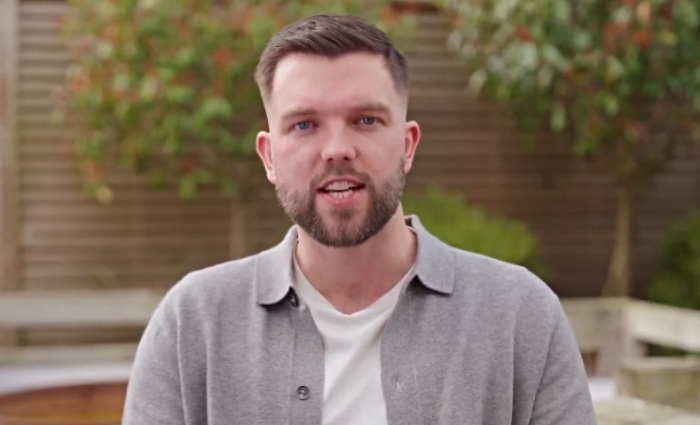
Joe Davis, son of former Crewe Alex and Nantwich Town manager Steve, and Tim Alexander are set to launch an AI platform from new premises on Welsh Row.
It is aimed at tackling what they say is one of sport’s most overlooked problems in sport – what happens to athletes when they retire.
Their new MOJOE athlete-only platform is designed to modernise player care and career transition.
And Davis says the idea, which was launched this week, already has backing from professional football clubs in England.
They raised £215,000 through friends and family round and have a number of ambassadors on board, including former Premier League players Ben Osborn, Reece James, Matthew Pennington, Alex Cairns, and Conor Grant.
Davis spent a decade playing at clubs including Leicester City, Fleetwood Town and Port Vale during his career.

He believes too many athletes are unprepared for the heavy landing that follows deselection, injury or retirement.
“People see the dream,” he said. “They don’t see what comes after it.”
Every year, thousands of academy players are released across the English pyramid.
Whilst safeguarding, player care and education standards have improved under EPPP regulations, long-term tracking and structured transition support remain inconsistent.
Davis added: “The system is more professional than ever.
“But the conveyor belt is moving faster too.
“Players are being scouted younger, more money is being thrown at talent, decisions are more ruthless, and for the majority who don’t make it, the landing is still heavy.
“Industry reports evidence increased investment and professionalisation but athletes are struggling more than ever in life after sport.”
Alexander spent 20 years post-football working in big data and analytics with tech giant Snowflake
He said: “The clubs we’re speaking to understand that player care is no longer a nice-to-have.
“It impacts reputation, recruitment and parent trust if not carried out properly.
“The industry recognises that more needs to be done – the horror stories around depression, bankruptcy and mental health still exist – but clubs simply don’t have the resources or time to do anything different.”

Davis and Alexander say research shows 1.4 million athletes transition out of sport globally.
In the UK, around 47,000 face deselection, injury or retirement annually, with up to 80% worrying about their future.
Many experience a significant drop in wellbeing during their first year out of sport.
MOJOE aims to give players a career coach in their pocket to prepare for life beyond sport ahead of their exit.
Davis said: “I was fortunate enough to follow in the footsteps of my dad and brother to become a professional footballer.
“But when that chapter began to close, I experienced what so many athletes go through.
“The period where your identity starts to fade, your direction is unclear, and the support system you assumed would exist simply doesn’t.
“I was one of the lucky ones. I found a new path fairly quickly.
“But through building MOJOE and speaking to hundreds of other athletes as part of our market research, we realised my experience was far from unique.”
The platform uses AI to help athletes translate their sporting experience into career-ready profiles, connect with mentors and explore opportunities beyond sport.
“When I played, the message was always ‘focus on your football…you’re a long time retired,’” he added.
“But the modern-day athlete understands their shelf life is short and they don’t want to wait until retirement to start thinking about what’s next.
“They are more switched on than ever; more curious; more entrepreneurial. Proactively preparing for a second career shouldn’t be taboo.”

They say they have tested the product with hundreds of UK athletes, brought on Olympians and international footballers as ambassadors, and secured early partnerships
with Premier League and Championship.
As scrutiny around academy release rates intensifies and governing bodies raise welfare standards, clubs are under pressure to demonstrate meaningful post-career support.
Alexander said: “Player care staff are doing incredible work.
“But they’re often under-resourced and not set up for success in their roles. Technology can help close that gap.”
Davis added: “As an industry, we obsess over tracking performance data – whether it’s XG, sprint speeds, heart rates.
“But we’ve tolerated massive losses in transition and neglected off-pitch data. That’s the imbalance we’re determined to fix.”










Recent Comments