







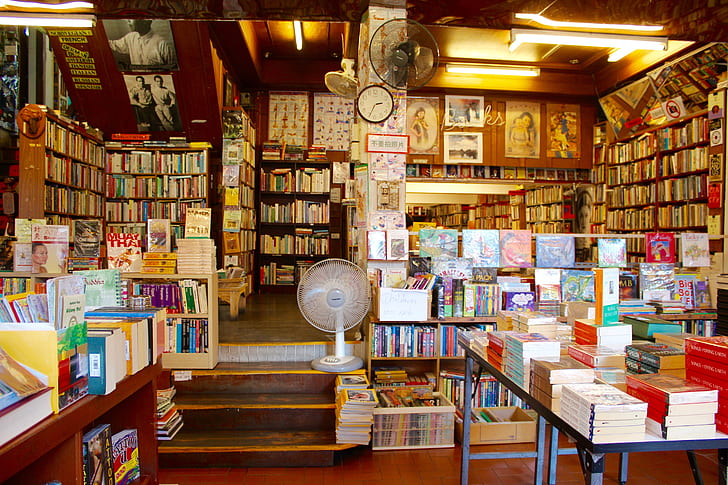
Sociologist Ray Oldenburg introduced the concept of the “third place” in 1989, describing social environments separate from home (the first place) and work (the second place).
These are the cafés, parks, barbershops, and bookstores where people gather, linger, and connect.
Among these community anchors, independent bookstores have quietly emerged as some of the most cherished third places in towns and cities alike.
They offer more than shelves of books; they provide belonging, conversation, and a sense of shared purpose that digital life often struggles to replicate.
What Makes a Space a True Third Place
A third place is not defined simply by its function but by the experience it creates.
Oldenburg outlined several characteristics that distinguish these environments from ordinary commercial spaces.
Independent bookstores tend to satisfy nearly all of them, which explains their enduring appeal.
Understanding these traits helps clarify why bookshops resonate so deeply with communities.
The following qualities capture the essence of a genuine third place:
● Neutral ground where people can come and go freely without obligation.
● A levelling effect that welcomes visitors regardless of status or background.
● Conversation as the main activity, encouraging exchange and dialogue.
● Accessibility and comfort, inviting people to stay for hours.
● Regulars who give the space its character and warmth.
● A playful, low-key mood that feels like a home away from home.
Independent bookstores embody these principles naturally.
Unlike large retail chains focused purely on transactions, small bookshops encourage browsing, discovery, and unhurried lingering that transforms a purchase into an experience.
Why Independent Bookstores Thrive as Gathering Spots
Despite predictions that online retail and e-readers would end physical bookselling, independent bookstores have shown remarkable resilience.
Their survival depends less on competing with digital giants and more on offering something screens cannot: human connection.
Owners often curate their shelves with personal taste, creating an atmosphere that feels intimate and intentional.
This personality draws people back not just for books, but for the feeling of walking into a familiar, welcoming environment.
The Role of Curation and Personal Touch
A well-run independent shop reflects the passions of its owners and staff.
Handwritten recommendation cards, themed displays, and knowledgeable booksellers create a sense of trust and discovery.
Customers value being guided toward a book they never knew they wanted.
This personal touch fosters loyalty that algorithmic recommendations rarely match, turning casual shoppers into devoted regulars.
Events That Build Community Bonds
Beyond selling books, many stores host activities that deepen their role as social hubs.
Author readings, poetry nights, book clubs, and children’s story hours give people reasons to return and interact.
These gatherings transform a retail space into a stage for shared cultural life.
Just as entertainment platforms such as FScasino for online casino games and real money gambling build engaged communities around shared interests, bookstores cultivate loyal audiences through experiences that extend far beyond the product itself.
Economic and Social Impact on Local Communities
Independent bookstores contribute to their neighborhoods in ways that ripple outward.
When people spend money at locally owned shops, a larger portion of that revenue stays within the community, supporting other small businesses.
Beyond economics, these stores strengthen the social fabric by creating spaces where strangers become acquaintances and ideas circulate freely.
Their presence often signals a vibrant, walkable district that attracts residents and visitors alike.
The table below highlights how independent bookstores generate value across different dimensions:
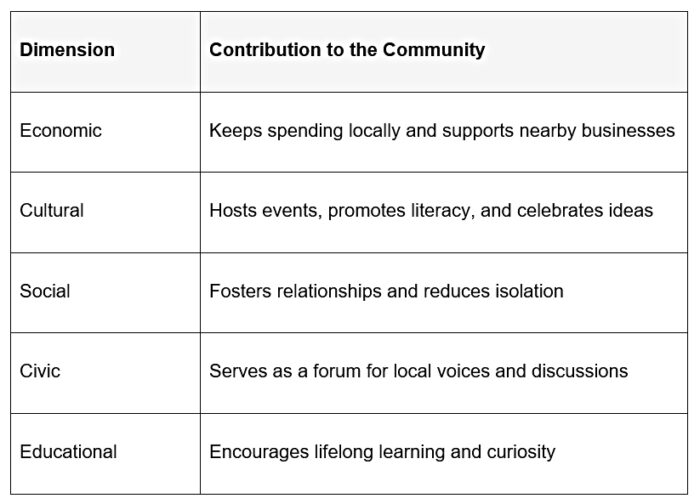
This multifaceted impact explains why communities often rally to save beloved bookstores when they face closure.
The loss of such a space is felt not merely as the end of a business but as the disappearance of a shared living room.
How Bookstores Adapt to Changing Times
Staying relevant requires creativity and flexibility.
Modern independent bookstores blend tradition with innovation to meet evolving customer expectations.
Many now integrate cafés, offer online ordering, and maintain active social media presences to reach wider audiences.
These adaptations allow them to preserve their character while remaining financially sustainable.
Several strategies have helped independent bookstores stay vital in recent years:
● Adding in-store cafés or coffee corners to encourage longer visits.
● Curating specialized sections that reflect community interests.
● Partnering with local schools, libraries, and cultural organizations.
● Building membership programs and subscription boxes for steady revenue.
● Using storytelling on social platforms to connect with younger readers.
By embracing these approaches, bookshops honor their heritage as gathering places while ensuring they can serve future generations.
The balance between comfort and reinvention keeps them competitive without sacrificing their soul.
Turning the Final Page on Connection
Independent bookstores remain powerful reminders that commerce and community can coexist beautifully.
They offer neutral ground, foster genuine conversation, and enrich local culture in ways that transcend the books on their shelves.
As third places, they fill a vital human need for connection that no digital substitute has fully replaced.
If you value spaces that nurture both the mind and the community, consider visiting your local bookshop, attending an event, or sharing your favorite store with friends who might discover their own home among the stacks.









Recent Comments