






Stage 4 oesophageal cancer is an advanced form of the disease in which cancer has spread beyond the oesophagus to distant organs such as the liver, lungs, bones, or brain.
This stage is often diagnosed after persistent symptoms like difficulty swallowing, chest pain, weight loss, or chronic cough.
Although serious, various treatments — both conventional and innovative — can improve quality of life and potentially extend survival.
Understanding Stage 4A and 4B
Stage 4 oesophageal cancer is divided into:
● Stage 4A: The tumour has invaded nearby structures (e.g. trachea or spine) but has not metastasized to distant organs.
● Stage 4B: Cancer has spread to distant sites like the liver, lungs, or bones.
Diagnosis typically includes endoscopy, CT and PET scans, and biopsy, helping determine the cancer’s extent and guide treatment planning.
Prognosis and Survival
Prognosis at this stage is guarded. The 5-year survival rate ranges from 5% to 20%, depending on various factors.
Most treatments are palliative, focusing on symptom relief rather than cure.
However, newer therapies and integrated care approaches can improve outcomes and quality of life.
Standard Treatment Approaches
Chemotherapy
Often the first line of defence, chemotherapy shrinks tumours and delays progression.
It is administered in cycles and may cause fatigue, nausea, hair loss, and immune suppression.
Radiation Therapy
Used primarily for symptom relief, radiation helps reduce tumour size and improve swallowing.
It’s often combined with chemotherapy for added effectiveness.
Palliative Surgery and Support
While surgery is rare in stage 4, it may be performed in Stage 4A to relieve obstructions.
Procedures like oesophageal stenting or feeding tube placement help maintain nutrition.
A multidisciplinary team—oncologist, surgeon, dietitian—is crucial for managing care.
Innovative Treatment Options
Dendritic Cell Therapy
This form of immunotherapy enhances the body’s ability to fight cancer.
Personalized immune cells are trained in the lab to recognize and attack tumours.
When combined with chemo or targeted drugs, this therapy may improve survival and immune function, especially in patients resistant to standard treatments.
Interventional Radiology
Minimally invasive, image-guided techniques can target tumours directly:
● Thermal ablation: Destroys cancer cells with heat.
● Cryoablation: Uses cold to treat localized or recurrent tumours.
● Electrochemotherapy: Applies electric pulses to improve drug absorption.
● TACE (Transarterial Chemoembolization): Delivers chemo directly to liver tumours while blocking their blood supply.
These methods are useful for patients who are not candidates for surgery or systemic therapy.
Hyperthermia Therapy
Involves heating tumour tissues to 41–43°C, increasing their sensitivity to radiation and chemotherapy.
It helps control pain, reduce tumour resistance, and may slow recurrence.
Hyperthermia is often combined with other treatments and is suitable for patients unable to tolerate aggressive therapies.
Nutrition and Symptom Management
Swallowing difficulties are common in advanced oesophageal cancer and can lead to malnutrition.
Key strategies include:
● Liquid or soft diets
● Nutritional supplements
● Feeding tubes (e.g., PEG) when oral intake isn’t sufficient
● Support from dietitians to ensure adequate calorie intake
Palliative care also includes pain management, emotional support, and practical interventions like stenting to improve comfort and maintain daily function.
Monitoring and Preventing Recurrence
Ongoing follow-up is essential to track disease progression and adjust treatment.
This typically involves:
● Regular imaging (PET or CT scans)
● Repeat endoscopy if symptoms return
● Blood tests and assessments by the oncology team
Timely intervention based on follow-up findings can help manage symptoms and improve overall outcomes.
Booking Health: Your Partner in Advanced Cancer Care
Facing stage 4 oesophageal cancer is challenging, but you don’t have to go through it alone.
Booking Health connects patients with top-tier medical centres in Germany and other countries that offer advanced therapies, including dendritic cell therapy, interventional radiology, TACE, and hyperthermia.
We handle everything—from reviewing medical reports to booking hospital stays, arranging travel, and assigning a personal interpreter and medical coordinator.
For patients who require additional support during medical travel, specialist patient transport services can help ensure safe and comfortable transfers between hospitals, airports, and treatment centres.
With over 12 years of experience, Booking Health ensures personalized, transparent, and safe care at every stage of your journey.
Contact a Booking Health consultant today to explore advanced treatment options tailored to your needs and improve your quality of life with expert, compassionate support.
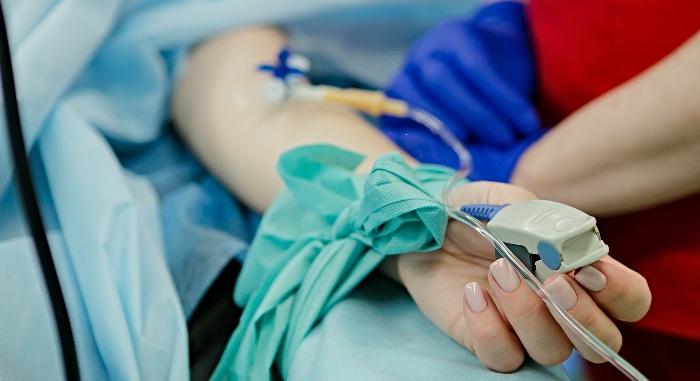
(Image from Unsplash, licence free by Olga Kononenko)









Recent Comments