






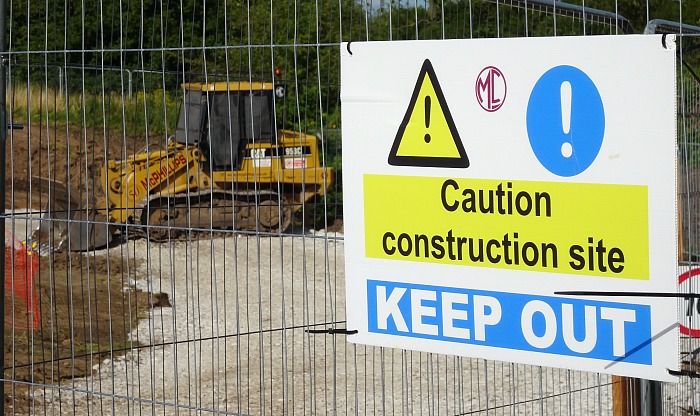
Healthcare construction projects represent a unique intersection of complex engineering, stringent regulation, and profound human impact.
Unlike standard commercial builds, these facilities must support life-saving functions while remaining operational throughout their development.
This immense complexity demands specialized guidance from the earliest planning stages.
Expert construction consultancy provides the essential framework to navigate these challenges, transforming clinical visions into functional, compliant, and healing environments.
Navigating a Landscape of Specialized Complexity
Constructing medical facilities introduces considerations absent from other sectors.
Projects must integrate sophisticated mechanical systems, specialized infection control protocols, and resilient power supplies.
Every decision directly influences patient outcomes, staff efficiency, and long-term operational viability.
Engaging a dedicated healthcare construction consultancy brings essential expertise to this demanding field.
These specialists understand the nuanced balance between clinical workflows, building codes, and therapeutic design principles necessary for success.
Upholding Stringent Regulatory and Safety Standards
Healthcare builds operate under some of the most rigorous regulatory frameworks.
Consultants possess in-depth knowledge of regional health authority regulations, building codes for institutional occupancies, and accreditation standards.
They ensure designs meet exacting requirements for room sizes, ventilation rates, and material specifications.
This proactive compliance management prevents costly rework and delays, securing essential approvals and ensuring the finished facility is fully certified for its intended use from day one.
Ensuring Uninterrupted Operational Continuity
Hospitals and clinics cannot simply close for renovations. A core consultancy function involves meticulously planning phased constructions or expansions that allow healthcare services to continue without disruption.
This requires detailed logistics planning for noise, vibration, dust control, and temporary utility rerouting.
Consultants develop robust infection control risk assessments (ICRAs) to protect vulnerable patients during construction, a critical component for any work in an active care environment.
Integrating Advanced Medical Technologies
Modern healthcare relies on rapidly evolving technology. Consultants facilitate the seamless integration of complex diagnostic imaging suites, robotic surgery systems, and hospital-wide IT networks.
They coordinate between clinical technology vendors, architects, and engineers to ensure structural supports, power capacities, and data cabling are designed into the building fabric from the outset.
This foresight prevents expensive retrofitting and ensures the facility is ready to house current and future medical innovations.
Implementing Healing-Centred Design Principles
The built environment significantly impacts patient recovery and staff well-being. Consultants advocate for evidence-based design elements that promote healing.
This includes optimizing natural light, providing access to nature, ensuring intuitive wayfinding, and creating calming acoustic environments.
They help balance these therapeutic goals with the practical needs of durability, cleanability, and maintenance, creating spaces that are both humane and highly functional for long-term care delivery.
Managing Specialized Procurement and Logistics
Sourcing materials and equipment for healthcare projects involves specialized supply chains.
Consultants assist in procuring long-lead items like MRI machines or sterilisation equipment early in the schedule.
They understand the unique installation requirements for medical gases, lead-lined shielding, and cleanroom finishes.
This specialized procurement knowledge keeps complex projects on track and within budget, avoiding delays that could stall entire wings of a new development.
Prioritising Sustainability and Lifetime Value
Sustainable design in healthcare reduces long-term operational costs and supports public health goals.
Consultants advise on energy-efficient building envelopes, water conservation systems, and non-toxic material selections.
They perform lifecycle cost analyses to justify investments in high-performance systems that lower utility bills for decades.
This focus on long-term value ensures the facility is an environmentally responsible and economically sustainable community asset.
For any organization embarking on a new hospital, clinic, or medical research facility, partnering with a specialist healthcare construction consultant is not an optional extra, it is a fundamental requirement for success.
These experts provide the crucial bridge between clinical aspiration and built reality.
They de-risk the investment, protect patient safety during construction, and ensure the final building actively contributes to its core mission of healing.
In the high-stakes world of healthcare construction, expert guidance is the cornerstone of any project that aims to care for a community for generations to come.









Recent Comments