






Hybrid work has moved beyond being a temporary response to change. It is now a core operating model for many organisations.
Teams split their time between home, office, and client locations, so workspace strategy must support flexibility without eroding structure.
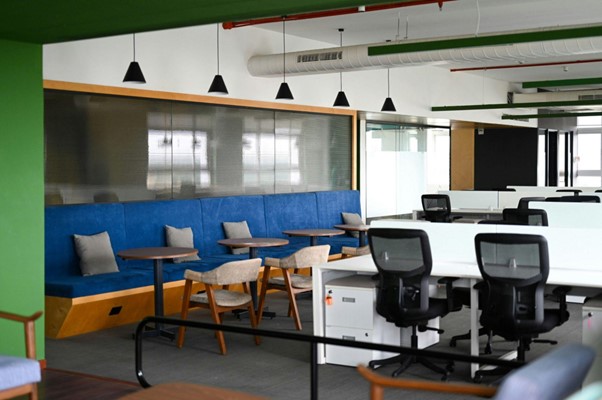
City-based options, such as serviced offices on Liverpool Street, play an essential role in maintaining this balance. When integrated thoughtfully, serviced offices become a foundation rather than a compromise.
Hybrid Work Requires More Than Policy
Many businesses begin hybrid work planning by focusing on policies. While guidelines matter, they do not solve practical challenges on their own. Employees need places to collaborate, meet clients, and reconnect with colleagues.
Without a reliable physical base, hybrid models risk becoming fragmented. Serviced offices provide that anchor, giving teams a shared environment that complements remote work rather than replacing it.
Location Still Shapes Collaboration
Despite advances in remote working, location remains relevant. Central, well-connected areas reduce friction when teams need to gather.
Serviced offices in city hubs make in-person collaboration easier to plan and attend. Travel time shortens, and meetings feel purposeful rather than inconvenient. At the same time, modern workplaces must balance openness with focus, making private spaces essential for calls, deep work, and confidential discussions—this is where solutions like Persy Booths become invaluable, offering office pods that allow you to stay within the energy of the office while maintaining the privacy and concentration you need. This accessibility supports spontaneous interaction, which often drives creativity and decision-making.
Flexibility That Matches Real Demand
Hybrid work patterns fluctuate. Some weeks require more office time, while others rely heavily on remote activity. Serviced offices adapt to this reality.
Businesses can adjust space usage without renegotiating leases or absorbing unused capacity. This responsiveness keeps costs aligned with actual needs and avoids waste that traditional offices often create.
Cost Control Without Sacrificing Quality
Financial predictability matters when planning for growth or uncertainty. Traditional offices involve fixed costs that remain regardless of usage.
Serviced offices simplify budgeting. Utilities, maintenance, and shared services are usually included.
This transparency allows leadership teams to plan with confidence while still providing staff with professional environments.
Supporting Team Identity And Culture
Culture can weaken when teams rarely meet in person. Informal interaction, mentoring, and shared experiences become harder to maintain remotely.
Serviced offices support culture by offering spaces designed for connection. Meeting rooms, breakout areas, and shared facilities encourage collaboration during office days.
These moments help sustain identity without requiring daily attendance.
Enabling Choice And Autonomy
Hybrid models succeed when employees feel trusted. Autonomy over where work happens improves satisfaction and retention. Serviced offices reinforce this autonomy.
Staff can choose when to work from home and when to come into the office, based on task or preference.
The office becomes a resource rather than an obligation, which aligns with modern expectations.
Reducing Operational Complexity
Managing a traditional office demands time and attention. Facilities management, IT infrastructure, and compliance issues add complexity.
Serviced offices remove much of this burden. Providers handle day-to-day operations, allowing businesses to focus on core activities. This simplicity benefits lean teams and growing organisations alike.
Technology That Supports Hybrid Teams
Hybrid work depends on reliable technology. Offices must support seamless collaboration between in-person and remote participants.
Serviced offices are typically equipped with modern connectivity and meeting facilities. This readiness reduces setup time and avoids additional investment.
Teams can work effectively from day one without technical disruption.
Scaling Without Disruption
Growth rarely follows a straight line. Teams expand, contract, or restructure based on opportunity. Serviced offices support this movement.
Additional desks can be added as projects scale and released as demand changes. This agility prevents relocation stress and supports continuity during periods of change.
Professional Presence In Key Markets
A physical presence still matters for credibility. Clients and partners often expect professional meeting spaces in recognised locations.
Serviced offices provide this presence without long-term commitment.
Businesses gain access to premium addresses and meeting facilities that support external relationships without the overhead of permanent offices.
Integrating Remote And In-Person Work
Hybrid strategies work best when remote and in-person work are treated as complementary rather than competing. Serviced offices act as integration points.
They host workshops, onboarding sessions, and team meetings that strengthen alignment. Remote work then focuses on deep individual tasks, creating a balanced workflow.
Planning For Long-Term Adaptability
Work models will continue to evolve. Strategies built around rigid assumptions risk becoming outdated quickly. Serviced offices offer adaptability that future-proofs workspace decisions.
As work patterns shift, businesses can adjust usage rather than overhaul infrastructure. This resilience supports long-term planning.
Creating A Cohesive Work Experience
A holistic hybrid strategy considers people, place, and process together. Offices play a role in that ecosystem rather than existing separately.
Serviced offices connect remote teams through shared spaces that foster collaboration and a sense of identity.
They reinforce structure without imposing rigidity, which is essential for sustainable hybrid models.
Making Hybrid Work Sustainable
Hybrid work is not about reducing office use. It is about using space more intelligently. Serviced offices enable this shift by aligning workspace with real behaviour.
When space adapts to people rather than the other way around, productivity and satisfaction improve.
A Practical Foundation For Modern Work
Building a holistic hybrid work strategy requires more than flexibility alone.
It needs reliable spaces, predictable costs, and support for human connection. Serviced offices meet these needs effectively.
By integrating them into hybrid planning, businesses create working models that remain resilient, adaptable, and fit for the future.









Recent Comments