






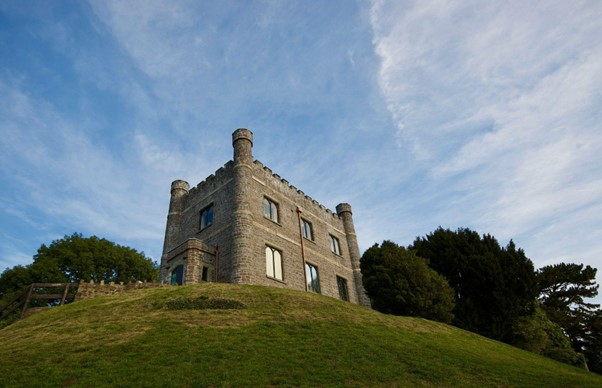
Historic buildings carry layers of human experience within their walls.
Stone, timber, and plaster record decisions made centuries ago, shaped by local craft and social priorities. Restoring such places involves far more than cosmetic repair.
Each project asks for sensitivity, patience, and a willingness to listen to what the structure reveals during investigation.
Within the early planning stages, specialists often balance vision with restraint.
A castle renovation architect, for example, must interpret fragile remains while allowing the site to serve a contemporary purpose.
That delicate equilibrium defines heritage work, setting it apart from standard construction and demanding a deeper relationship with place.
Understanding the Value of Heritage Structures
Cultural significance sits at the heart of every restoration effort. Historic properties reflect regional identity, craftsmanship traditions, and architectural experimentation from another era.
Preserving those elements protects more than bricks and mortar. Community memory remains anchored when familiar landmarks survive thoughtful renewal.
Emotional attachment also plays a role. Residents often feel ownership of long-standing buildings even without legal ties.
Respecting that sentiment builds trust and encourages public support throughout the restoration journey.
Technical Challenges Hidden Beneath the Surface
Time introduces unpredictability. Structural movement, moisture ingress, and outdated materials frequently appear once work begins.
Original construction methods may lack documentation, requiring forensic analysis and educated interpretation.
Modern regulations create additional complexity. Fire safety, accessibility, and energy performance standards must integrate discreetly.
Achieving compliance without compromising authenticity requires creative problem-solving and collaborative expertise.
Craftsmanship and Traditional Skills
Heritage restoration rewards skilled hands. Lime mortars, hand-cut stone, timber framing, and decorative plaster demand techniques rarely used in contemporary builds.
Skilled artisans translate historic intent through tactile understanding rather than generic specification.
Training opportunities often emerge during projects. Apprentices learn endangered crafts on site, ensuring knowledge passes forward rather than fading into textbooks.
That educational aspect forms an overlooked benefit of restoration work.
Balancing Modern Use With Historic Integrity
Adaptive reuse frequently determines a building’s survival.
Converting former industrial halls into housing or transforming manor houses into hospitality venues introduces new life and financial sustainability.
Design decisions must tread lightly. Services installation, spatial reconfiguration, and lighting strategies should remain reversible where possible.
Future generations deserve the opportunity to reinterpret without inheriting irreversible alterations.
Environmental Considerations and Sustainability
Historic buildings already embody sustainable principles.
Existing materials represent invested energy, while thick walls and passive design features often perform efficiently when maintained correctly.
Sensitive upgrades enhance performance without erasing character. Improved insulation, discreet glazing solutions, and breathable finishes reduce environmental impact while preserving architectural identity.
Restoration therefore aligns naturally with responsible development goals.
Regulatory Frameworks and Planning Realities
Heritage designation introduces oversight. Listed status, conservation area controls, and archaeological considerations influence timelines and budgets.
Early engagement with authorities streamlines approvals and reduces costly redesign.
Clear documentation supports decision-making. Surveys, method statements, and material samples demonstrate intent, helping stakeholders understand proposed interventions. Transparency fosters cooperation across disciplines.
Rewards Beyond Completion
Completion day rarely marks the end of impact. Restored buildings revive neighbourhoods, attract visitors, and inspire pride.
Economic benefits often ripple outward through tourism, employment, and local investment.
Personal fulfilment also resonates strongly. Few projects offer the chance to contribute meaningfully to cultural continuity.
Restorers become temporary guardians, handing history forward rather than freezing it in time.
A Continuing Conversation With the Past
Heritage restoration remains an evolving dialogue. Each building responds differently, shaped by geography, use, and past intervention.
Listening carefully allows designers and craftspeople to make informed choices rather than imposing uniform solutions.
Breathing new life into historic buildings ultimately connects generations.
Thoughtful restoration respects origin, serves present needs, and leaves room for future stories to unfold within time worn walls.








Recent Comments