






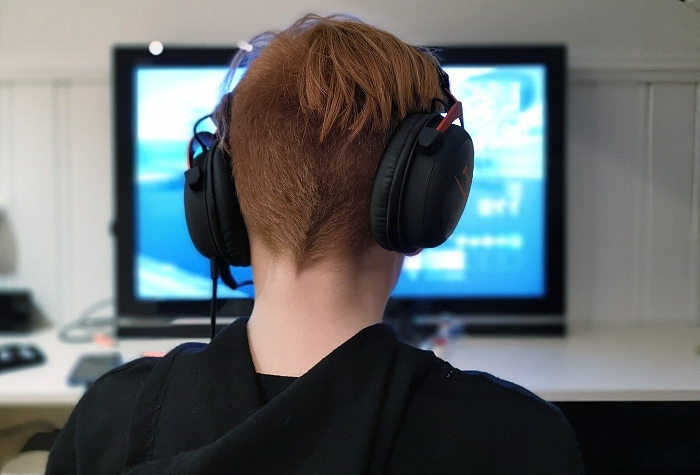
Gaming has never been more culturally dominant than it is in 2026.
What was once a niche hobby has evolved into a global entertainment powerhouse, shaping how people socialize, learn, relax, and even work.
Despite constant shifts in technology and media consumption, gaming continues to thrive and its momentum shows no signs of slowing.
The reasons behind this enduring popularity are layered, but together they paint a picture of an industry that has mastered the art of reinvention while staying deeply connected to human needs.
1. Gaming Is Now a Social Lifeline
One of the biggest reasons gaming remains so popular is its role as a social connector.
In 2026, games are no longer just played they’re lived in. Persistent online worlds, cross platform play, and seamless voice and video integration have turned games into digital gathering spaces.
• Friends meet up in virtual worlds the way previous generations met at cafés.
• Multiplayer titles double as social networks, complete with communities, events, and shared rituals.
• Even single player games now include social layers, like community challenges and shared progression.
For many people, gaming is the easiest, most accessible way to maintain friendships across cities, countries, and time zones. It’s not just about playing; it’s about belonging.
2. Games Offer Deep Emotional and Cognitive Engagement
Modern games are sophisticated emotional experiences.
They challenge players intellectually, immerse them in rich narratives, and offer a sense of agency that passive entertainment simply can’t match.
In 2026:
• Story driven games rival prestige television in writing and character development.
• Strategy and puzzle games provide mental stimulation and stress relief.
• Open world titles offer a sense of freedom and exploration that feels almost therapeutic.
This blend of emotional resonance and cognitive engagement makes gaming uniquely satisfying.
It’s entertainment that asks you to participate, not just observe.
3. Accessibility Has Exploded
Gaming used to require expensive hardware and technical know how. Not anymore. The industry has spent the last decade tearing down barriers.
Today:
• Cloud gaming lets people play high end titles on low power devices.
• Subscription services offer massive libraries for a single monthly fee.
• Mobile gaming continues to dominate, with console quality experiences available on phones.
• Adaptive controllers and accessibility settings have opened the door for players with disabilities.
The result is a hobby that’s more inclusive than ever. Anyone can be a gamer now, regardless of budget, ability, or experience level.
4. Immersive Tech Has Hit Its Stride
Virtual reality, augmented reality, and mixed reality have matured dramatically by 2026.
While not everyone owns a headset, immersive tech has become mainstream enough to influence the entire industry.
• VR fitness games have become a staple of home workouts.
• AR titles blend digital and physical worlds in ways that feel magical.
• Mixed reality headsets are used for both work and play, blurring the line between gaming and productivity.
These technologies offer experiences that simply can’t be replicated elsewhere, keeping gaming at the cutting edge of entertainment.
5. Esports and Streaming Have Become Cultural Institutions
Competitive gaming and game streaming have transformed gaming from a private pastime into a spectator sport with global reach.
In 2026:
• Esports tournaments fill arenas and attract millions of viewers online.
• Streamers and content creators are celebrities in their own right.
• Games are designed with shareability in mind spectacle is part of the experience.
Watching games has become as popular as playing them, creating a feedback loop that fuels the industry’s growth.
6. Games Are More Creative and Diverse Than Ever
The rise of indie development, better tools, and more funding options has led to an explosion of creativity.
Players in 2026 have access to an astonishing range of experiences:
• Cozy life sim games
• Experimental narrative adventures
• Hyper realistic shooters
• Retro inspired platformers
• Educational and training simulations
This diversity ensures that gaming appeals to a wide range of tastes, ages, and interests.
There truly is a game for everyone like slot gaming with their free daily spins.
7. Gaming Has Become a Legitimate Career Path
The idea of “making a living through games” is no longer a fantasy. In 2026, gaming supports a vast ecosystem of careers:
• Developers, designers, and engineers
• Streamers and content creators
• Esports athletes and coaches
• Community managers and marketers
• Modders and user generated content creators
For many, gaming isn’t just entertainment it’s opportunity.
8. Ultimately, Games Fulfil a Fundamental Human Need
At its core, gaming taps into something universal: the desire for play.
Humans have always sought out challenges, stories, and shared experiences. Games simply package those instincts in a modern, interactive form.
In a world that often feels chaotic, gaming offers:
• Control
• Progress
• Connection
• Escape
• Joy
That combination is powerful, and it explains why gaming continues to thrive even as other media struggle to keep up.
(Image free to use from Pixabay)









Recent Comments