






A lot of men quietly file away their fatigue, flagging sex drive, low mood, and stubborn weight gain under “just getting older.”
More often than people realise, those symptoms share two overlapping root causes that almost never get checked at the same time: low testosterone and chronic, low-grade inflammation.
The research connecting the two has grown steadily over the past decade, and looking at only one of them tends to leave you with half an answer.
Here is how they fit together, and how to find out where you actually stand.
Why testosterone matters well beyond libido
Testosterone is the primary male sex hormone, produced mainly in the testes, and it does far more than drive desire.
It plays a central role in energy and motivation, muscle mass and strength, bone density, mood, and the way your body stores and burns fat.
When levels slip below a healthy range, the effects spread across the whole body.
The signs men report most often include reduced sexual function, low energy, mood swings, loss of muscle and strength, more body fat (especially around the middle), and in some cases fertility problems.
What inflammation has to do with any of this
Inflammation itself is not the enemy. It is your immune system’s normal response to injury or infection.
The trouble starts with chronic inflammation, the persistent low-level kind that never quite switches off.
That smouldering state is increasingly tied to heart disease, type 2 diabetes, and a range of conditions associated with ageing.
One of the most practical ways to gauge it is C-reactive protein, or CRP, a substance the liver produces when inflammation is present.
CRP is a general signal rather than a diagnosis. It can rise with infections, injuries, hard training, smoking, and higher body fat, but it gives you a useful read on what is happening beneath the surface.
A two-way street between low testosterone and inflammation
This is the part that surprises people. Study after study has found an inverse relationship between testosterone and inflammatory markers like CRP.
As one goes down, the other tends to climb, and the connection seems to run in both directions at once.
Testosterone has anti-inflammatory properties, so lower levels are associated with more pro-inflammatory signalling.
At the same time, chronic inflammation can interfere with the hormonal pathways that produce testosterone in the first place.
Tying the knot tighter is abdominal fat, which is metabolically active tissue that both fuels inflammation and converts testosterone into oestrogen, nudging available testosterone lower still.
Large, long-running studies of ageing men, including the Baltimore Longitudinal Study of Aging, have reported that lower testosterone is associated with rising CRP over time, and that low testosterone and high inflammation each track independently with poorer metabolic health.
These are associations rather than proof of cause and effect, but the overlap is strong enough that checking both makes obvious sense.
Symptoms that overlap, and why that is so confusing
Part of what makes this easy to miss is that low testosterone and chronic inflammation produce strikingly similar day-to-day complaints.
Symptom Linked to low testosterone Linked to chronic inflammation
Persistent fatigue Yes Yes
Weight gain, especially belly fat Yes Yes
Low mood or irritability Yes Yes
Reduced libido Yes Yes
Poor recovery and aches Yes Yes
Because the symptoms blur into each other, tackling one in isolation often leaves men frustrated that they “did everything right” and still feel off.
Measuring both gives you a far clearer map of what is going on.
How to see the full picture from home
You do not need a referral or a clinic appointment to make a start. Two straightforward finger-prick tests, done at home, cover both sides of this relationship.
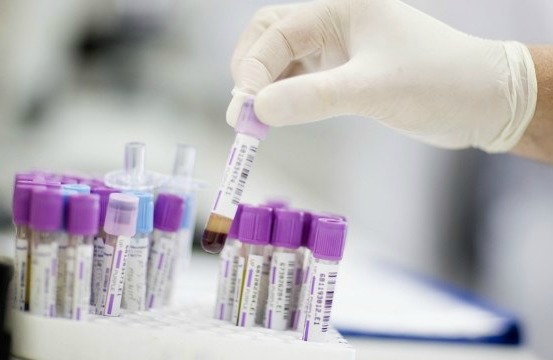
A testosterone blood test measures your total testosterone from a small dried blood spot collected at home and analysed by an accredited lab.
It is the most direct way to confirm whether your levels sit in a healthy range, which is worth doing if you are dealing with unexplained fatigue, low libido, or mood changes, or simply want to keep an eye on your hormonal health over time.
Pairing that with a CRP blood test tells you whether chronic inflammation is part of the story.
Seeing low testosterone and raised CRP together is a strong cue to look at the metabolic and lifestyle factors driving both, rather than chasing one symptom at a time.
What you can actually do about it
The encouraging part is that most of the levers that lift testosterone also lower inflammation, so the effort pays off twice over.
• Reduce visceral fat, since losing fat around the middle improves both hormone balance and inflammatory markers
• Make resistance training a habit, because it supports testosterone and metabolic health
• Sleep properly, as most testosterone is produced during sleep and poor sleep drives inflammation up
• Eat in a way that calms inflammation, leaning on whole foods, fibre, and oily fish while cutting back on ultra-processed products
• Go easy on alcohol and stop smoking, both of which worsen inflammation and suppress testosterone
The takeaway
If you are tired, putting on weight, and noticing your drive has faded, do not write it off as inevitable.
Low testosterone and chronic inflammation often travel together, and each can quietly make the other worse.
Checking your testosterone and your CRP at the same time turns a vague sense of feeling off into clear numbers you can act on, and gives you a real starting point for getting back to yourself.









Recent Comments