





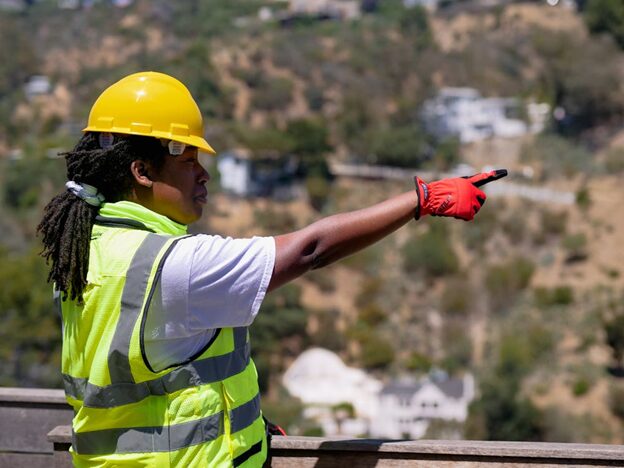
Construction has always shaped our homes, skylines, and infrastructure.
But progress shouldn’t come at the cost of lives or injuries. As the UK construction industry evolves, so does its commitment to building safely.
Today, health and safety aren’t just legal checklists—they’re central to every well-run site.
This cultural shift came through decades of hard lessons, stronger laws, and better training.
From hazard awareness to structured qualifications like CITB, the drive for safety is now embedded in the everyday workings of the industry.
Let’s explore how safety became the standard, and why it should never be compromised.
The Wake-Up Call: Why Safety Became Essential
A few decades ago, construction looked much riskier. Injuries and even fatalities were disturbingly common. While protective gear existed, a true safety culture hadn’t taken hold.
That changed with the Health and Safety at Work etc. Act 1974, which made employers legally responsible for workers’ welfare. Suddenly, negligence had serious consequences.
The introduction of the Construction (Design and Management) Regulations (CDM) reinforced this shift, laying out safety duties for everyone involved—from architects to site workers.
These regulations brought attention to planning, risk management, and training.
This is also when structured safety education began to gain traction. Today, CITB qualifications play a key role in ensuring that workers at every level—from site labourers to supervisors—understand their responsibilities and how to manage risks effectively.
Health and Safety Today: Beyond the Basics
Fast forward to 2025, and health and safety have moved beyond compliance. Smart companies see safety as good business.
Here’s why:
● Fewer accidents mean fewer delays. Each incident leads to downtime, investigations, and possibly shutdowns.
● Reputation matters. Clients care about how companies treat their people, and safety affects trust and opportunities.
● Skilled workers expect better. Modern tradespeople won’t tolerate careless environments.
A proactive safety culture keeps sites efficient, teams loyal, and reputations strong.
From Toolbox Talks to Training Plans
One of the biggest changes? How safety knowledge is shared. It’s no longer just a one-off induction.
Today, ongoing training is the norm. From apprentices to supervisors, everyone is expected to understand risks, operate safely, and respond to emergencies.
Courses from the Construction Industry Training Board (CITB) are central to this. They cover essentials like manual handling and site supervision, often required for specific roles.
When safety becomes routine, accidents become rare.
The Legal Side: Who’s Responsible?
Safety is everyone’s job — but the law draws clear lines:
● Employers and contractors must provide a safe environment and proper training.
● Designers and engineers must consider safety during planning stages.
● Site managers and supervisors handle daily enforcement and monitoring.
● Workers are expected to follow training, wear PPE, and report hazards.
This shared responsibility works best in a culture where communication is open and blame isn’t the first reaction.
Where Things Still Go Wrong
Even with progress, construction remains one of the UK’s most dangerous industries, according to the Health and Safety Executive (HSE).
Common pitfalls include:
● Falls from height. Roofs, ladders, and scaffolds still cause many serious injuries.
● Improper PPE use. Gear won’t help if it’s not used—or used wrongly.
● Crowded sites. Poor coordination leads to trip hazards and collisions.
● Rushing under pressure. Deadlines sometimes tempt teams to cut corners.
Avoiding these risks takes more than rules. It takes a mindset where safety comes first, even when deadlines loom.
Tailoring Safety Training
Not all sites are equal, so training shouldn’t be either. A city high-rise and a rural road project have different risks. A digger driver needs different knowledge than an electrician.
That’s why role-specific training matters. Courses like Site Safety Plus or the Site Manager Safety Training Scheme (SMSTS) offer tailored content for specific responsibilities.
And refresher courses aren’t just for checking boxes. New materials, methods, and tools are introduced constantly. Staying informed saves lives.
Tech at Work: Smarter, Safer Sites
Modern construction is becoming more connected, and technology is playing a big role in safety:
● Drones inspect sites and structures without putting people at risk.
● Wearables monitor worker vitals and help avoid fatigue-related incidents.
● Mobile apps make reporting hazards and tracking training much easier.
Tech doesn’t replace human judgement—but it enhances it. With better data, teams can act faster and prevent more accidents.
Safety Isn’t Just for Big Sites
Health and safety isn’t just a concern for large-scale projects. Whether a team has 5 workers or 500, the rules are the same.
Small firms might struggle with fewer resources or no dedicated safety officers, which makes accessible training even more important.
CITB-backed courses help bridge that gap, giving smaller businesses the knowledge they need without overwhelming costs.
Safety should never be considered optional or too expensive. It’s part of doing the job right.
A New Generation, A New Mindset
Today’s young workers are entering the field with different expectations. Many see safety as standard practice—not an extra burden.
That mindset is a good thing. It means the next generation is ready to take safety seriously from day one.
But it also means the industry has to meet them with up-to-date training, supportive site cultures, and real commitment—not just slogans.
By embracing this, construction can become not just safer—but smarter and more sustainable, too.

Final Thoughts: Smart Sites Are Safe Sites
Health and safety in UK construction have come a long way—from being ignored to becoming a core value.
But it’s not just about rules or checklists. It’s about people. About ensuring every worker gets home safely. About building a culture where speaking up is the norm and learning is constant.
The safest sites aren’t just the most compliant—they’re the most collaborative. And that’s the future the industry should keep building toward.








Recent Comments