






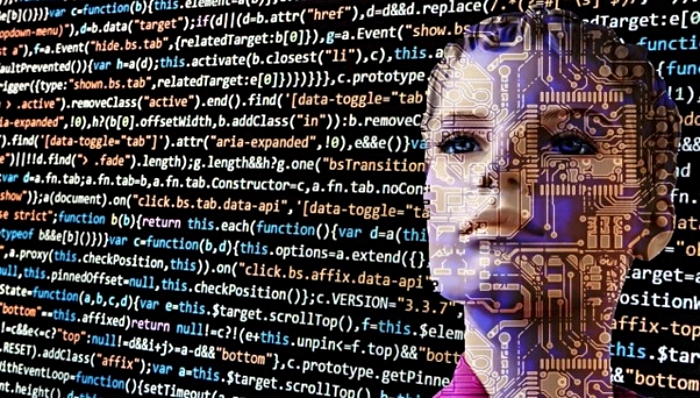
You can hardly open the news these days without a story about AI coming for our jobs.
From chatbots to clever software, the worry is real and it’s growing.
But it’s not all doom and gloom. Some jobs are far harder for machines to touch, and there are plenty of them about.
As people look to strengthen their financial security, many are also exploring a side hustle alongside their main career to diversify their income.
Here are five jobs that look pretty safe for now.
Nurses and care workers
If there’s one job that shows the limits of AI, it’s caring for people.
Nurses and care workers do far more than follow a set of instructions, and that’s exactly why they’re so hard to replace.
Think about what the role actually involves. There’s the physical side, helping someone out of bed, changing a dressing, holding a hand that’s shaking.
A machine simply can’t do these things the way a person can, with the gentleness and quick judgement that comes naturally to us.
Then there’s the emotional side, which matters just as much. A good nurse reads the room.
They know when a patient is frightened, when someone needs reassuring, and when to just sit quietly for a while.
These jobs require real emotional understanding, the sort built up over years of dealing with people at their most vulnerable.
AI can have a go at showing empathy, of course. It can string together kind-sounding words and ask how you’re feeling.
But it’s nothing compared to what a human can offer. A warm presence in a hospital ward or care home isn’t something you can program.
Midwives and birth coaches
Much like nurses, midwives and birth coaches guide people through one of the most vulnerable experiences of their lives.
Bringing a baby into the world is rarely simple. It’s emotional, unpredictable, and often frightening, and no two births are ever quite the same.
This is where the human touch really counts. A midwife does more than monitor the medical side of things.
She offers calm when panic sets in, reads the small signs that something might be wrong, and adjusts her approach moment by moment.
Birth coaches, too, lean on instinct and warmth, knowing just what to say when a labouring mother is exhausted and scared.
Could AI track a heartbeat or flag a worrying reading? Certainly. But that’s only a sliver of the job.
The real work lies in the reassurance, the encouragement, and the trust built between two people in the room.
There’s a deep need for genuine empathy here, the kind that comes from having been there before.
A reassuring voice and a steady hand at such a moment simply cannot be replaced by a screen or a clever algorithm.
Social workers
Social work is messy, human, and rarely black and white.
Every case is different, and the people involved are often going through the hardest moments of their lives. That’s something AI struggles to make sense of.
Take family dynamics. A social worker might walk into a home and pick up on a dozen small things at once: the tension between a parent and child, the unspoken worry, the story that doesn’t quite add up.
Reading a situation like this takes years of experience and a good deal of gut instinct. It isn’t something you can boil down to data on a screen.
Then there are the life-changing decisions. These calls carry enormous weight, and they need a person who can balance the facts with compassion and common sense.
AI might help with the paperwork, sorting records or flagging cases that need attention.
Useful, no doubt. But the real heart of the job, the judgement and the humanity, will always belong to a person.
Tradespeople
Not every safe job is about emotion. Some are simply too hands-on for a machine to manage.
Plumbers, electricians, builders, and joiners all fall into this camp, and it’s hard to see that changing any time soon.
Picture a plumber squeezing under a kitchen sink to fix a leak. Every job is slightly different.
The pipes are in an awkward spot, the problem isn’t quite what was expected, and a quick decision has to be made on the spot.
This sort of work calls for skilled hands, real-world problem solving, and the ability to adapt as you go.
A robot might manage one task in a tidy factory, but a messy house in the middle of Manchester is another matter entirely.
Tradespeople deal with cramped lofts, dodgy wiring, and the odd surprise behind the plasterwork. No two days look the same.
There’s also the trust side of things. People want a friendly face they can rely on, someone who’ll explain the problem in plain English.
AI can’t rewire a house or unblock a drain, and it certainly can’t pop round for a cuppa while it’s at it.
Judges and barristers
The law might look like a set of clear rules on paper, but in practice it’s anything but.
Judges and barristers spend their days in the grey areas, where context, precedent, and fairness often clash. Untangling all that takes a sharp human mind.
Consider a courtroom. A barrister has to read the jury, adjust their argument on the fly, and weigh up not just what the law says but what feels just in the moment.
A judge, meanwhile, must balance the letter of the law against the particular facts of the case in front of them.
Two cases might look similar on paper, yet call for very different outcomes.
AI can sift through legal documents at speed, and no doubt it’ll keep proving handy for research.
But the law isn’t only about logic. It’s about judgement, persuasion, and a deep sense of right and wrong that machines simply don’t possess.
There’s a reason we put these decisions in human hands. When someone’s liberty or livelihood is on the line, people want fairness and accountability, not a verdict handed down by a computer.









Recent Comments