






Card games are often considered casual entertainment, but their value extends far beyond passing the time.
When played competitively, they provide a practical workout for the brain.
Each hand requires mental agility, quick thinking, and emotional discipline.
Over time, players can develop a remarkable set of cognitive and interpersonal skills that influence their professional and personal lives.
Whether played at a kitchen table or in an online tournament, competitive card games sharpen the mind and nurture skills that are useful in daily decision-making, stress management, and long-term planning.
As the game unfolds, players must stay alert, flexible, and logical, making card play a unique and engaging way to build mental resilience.
Critical Thinking and Analytical Strategy
Strategic card games require players to assess the current situation, weigh up possible outcomes, and choose actions based on probabilities.
Each decision is grounded in visible data and hidden possibilities. Players become adept at identifying patterns, evaluating risks, and considering multiple future scenarios.
This mental processing is especially evident in poker, where players constantly analyse betting behaviour, calculate potential outcomes, and decide whether to fold, call, or raise.
The game encourages rational thinking, requiring participants to break situations into manageable components and respond based on logic, not emotion.
Regular exposure to this style of reasoning can translate to improved judgment in high-stakes situations such as investing or project forecasting.
The mental discipline developed through strategic gameplay promotes clear-headed thinking when facing difficult choices.
Building Emotional Control and Mental Resilience
Card games test more than just the intellect, they demand control over emotional reactions. A single poor decision driven by frustration or overconfidence can cost a match.
Learning to manage these impulses is one of the key personal benefits of competitive play.
Experienced players become highly self-aware, learning to recognise when emotions are interfering with their choices.
Instead of reacting impulsively, they practise pausing, reassessing, and choosing a more rational course of action.
This capacity to regulate one’s emotional state is essential not only in gameplay but in high-pressure work or social situations.
Resilience is another benefit. Repeated exposure to wins and losses, coupled with the need to remain focused, trains the mind to handle setbacks without discouragement.
Players learn to treat every round as a fresh opportunity, which supports a growth-oriented mindset in real-life challenges.
Improving Social Intelligence and Observational Skills
In-person and online card games offer constant opportunities to observe others closely. Success often depends on the ability to read subtle behaviours and detect patterns.
Players develop a heightened awareness of social cues, gaining insight into how others think and react under pressure.
This observational skill, when applied outside of games, can enhance communication in business and personal relationships.
It becomes easier to recognise when someone is uncertain, confident, or attempting to manipulate a conversation.
Memory and Information Management
Winning at strategic card games requires retaining a variety of details in short-term memory.
Players must remember what has been played, how opponents behaved, and which cards are still in the deck. This encourages the development of strong working memory and mental organisation.
Players often use techniques to simplify and store game information more effectively. This might include mentally grouping cards by suit or value or associating actions with specific behavioural patterns.
Over time, these methods improve the speed and accuracy of recall.
The benefits of these memory strategies are not limited to the card table. They can help with learning tasks at work, studying for exams, or retaining important information in complex environments.
Pattern Recognition and Strategic Adaptation
Skilled card players excel at spotting patterns and adjusting their strategies accordingly.
This is particularly important in games where opponents may shift tactics or introduce new variables. Recognising these shifts early allows players to respond intelligently and avoid falling behind.
In online environments, where facial expressions and body language are unavailable, players must pay even closer attention to timing, betting behaviours, and sequence patterns.
This level of detail sharpens focus and builds mental flexibility.
Being able to adjust strategies on the fly is a valuable skill in many aspects of life. Whether dealing with sudden changes in a business plan or responding to unexpected events in daily life, the ability to pivot effectively often determines success.
Planning Ahead While Staying Flexible
Card games reward players who can think a few steps ahead. Creating a long-term strategy while also reacting to new developments requires a balance of planning and improvisation.
This blend of forward-thinking and situational awareness is vital in leadership roles and dynamic team environments.
The unpredictable nature of competitive card play mirrors the uncertainties found in real-world decision-making.
Players learn to manage risk, trust their instincts when necessary, and shift direction without hesitation when conditions demand it. This skillset supports not only personal growth but also career advancement.
Everyday Applications of Card-Play Skills
The mental skills gained through strategic card games can be applied far beyond the table.
Players frequently report feeling more confident when tackling complex problems, managing stress, and working collaboratively.
The consistent practice of decision-making under pressure, analysing patterns, and managing emotion translates well to real-world scenarios.
Those looking to explore or improve these skills may consider engaging in structured online environments.
Dedicated platforms offer access to tutorials, challenges, and opportunities to test strategies in real time.
These environments allow players to sharpen their skills while enjoying the game’s competitive thrill.
More Than Just a Game
Competitive card play is a powerful tool for personal development. It sharpens the mind, builds emotional resilience, enhances social perception, and fosters strategic thinking.
Far from being mere entertainment, these games act as practical training grounds for real-world success.
Whether you’re looking to improve decision-making, develop focus, or better understand those around you, card games offer an engaging way to build mental strength.
With regular play and mindful observation, the skills learned at the table can support every area of life, from boardrooms to daily interactions.
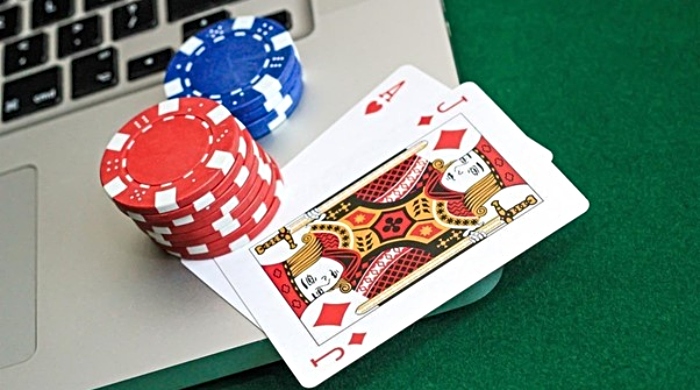
(Image courtesy of Pixabay, free to use)









Recent Comments