






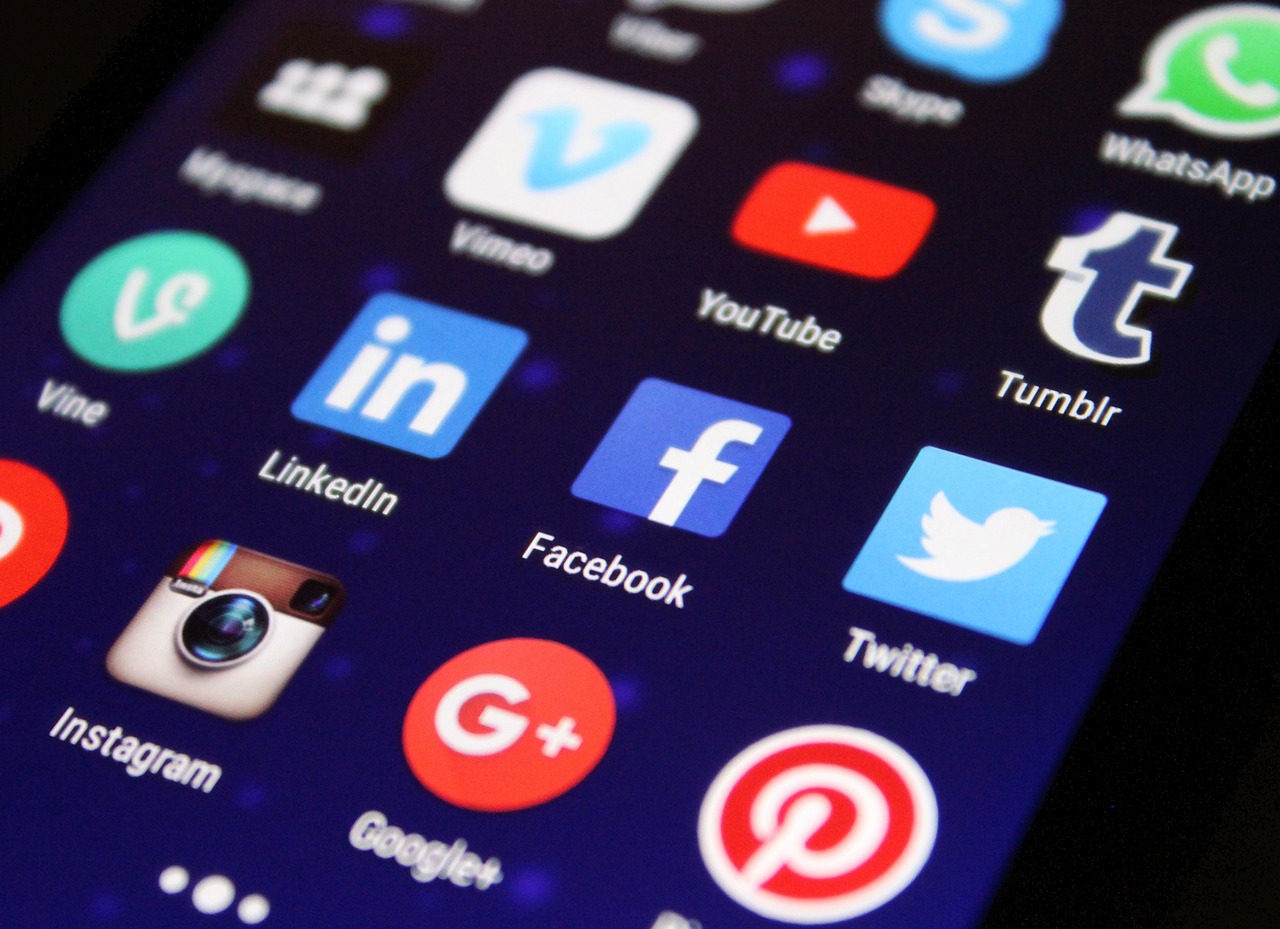
We live in a world in which short-form entertainment is becoming more and more relevant, with platforms such as TikTok and Instagram taking the wider internet by storm.
Is this a good thing? What are some of the concerns? And how does this affect audiences in general?
The evolution of social media
Social media platforms have grown exponentially over the past couple of decades, with the influential release of MySpace in 2003 marking the beginning of these kinds of platforms taking over the world.
Fast forward to now, and Facebook owns a large portion of the social media space, with its acquisition of Instagram in 2012 playing a big part in its hold on the industry.
Then came along an app called Musical.ly, released in 2016, which went under the mainstream media’s radar.
But in 2018, Musical.ly was reworked into what we now know as TikTok.
Introducing a complex algorithm that can show users the exact content that they want, this app achieved overwhelming success and reframed the way we engage with online entertainment.
The lack of user agency that comes with this may be seen as a bad thing, but taking away the burden of having to find content yourself, and allowing the user to engage with micro-content at any time is truly beneficial for the user experience.
In a nutshell, the introduction of social media and its subsequent expansion has allowed for users across the world to engage in micro-entertainment at a moment’s notice.
This freedom, along with the minimal time commitment that comes with engaging with this media, is why more and more people are choosing it over longer forms of media.
Trends in gaming platforms
Much like social media platforms, online gaming has changed tremendously over the past few decades.
Players connecting multiple Xboxes for a big LAN match of the original Halo in 2001 could only dream of the levels of connectivity we have available to us now.
This large-scale availability of internet access and connectivity has changed the way consumers interact with the medium.
For example, back in the mid-2000s, it would have been a real task to get all of your friends playing the same game at the same time for some multiplayer fun.
Because of this commitment, it felt like you had to have a long gaming session to make it worthwhile.
Now in 2025, connecting with your friends has never been easier; it really is as simple as just jumping into a game and enjoying.
This has allowed gamers to not have to commit to a long game, and enjoy a few short rounds of their favourite game without it taking up too much time.
Modern games have adapted to the players’ desire for shorter, more instantly rewarding gaming experiences.
Popular games such as Rocket League or Call of Duty allow a player to immediately get into a match that can last anywhere from five to 10 minutes, filled with excitement and instantly gratifying rewards.
The world at our fingertips
The introduction and subsequent boom of smartphones has allowed audiences entertainment whenever and wherever they like.
For example, if someone fancies a bit of micro-entertainment, they can access the best online casinos in Ireland at a moment’s notice and be given several in-depth reviews on many different sites from trusted industry professionals.
This level of user freedom allows for online industries to flourish.
Because of the nature of the internet, reviews for any kind of digital fun can be viewed at the tap of a finger.
This allows internet users to better inform themselves on what kind of entertainment they may be interested in.
Changes in the music industry
This may be part of online entertainment that is overlooked when discussing micro-content, but this industry has also faced major changes, benefiting users who prefer shorter form content.
Not so long ago, if you liked a song, you would have to buy the whole album that it was on.
Or a little later on, you could purchase individual songs from stores like iTunes, but this could become rather expensive very quickly if you wanted more than a few songs.
Then came the introduction of music streaming services, with perhaps the most important one, Spotify, being launched in Europe in 2008.
There were services prior to this, such as Napster and LimeWire, but these were focused more on peer-to-peer file sharing instead of a widely accessible database.
As these platforms expanded, they allowed users to access all of their favourite music for a rather affordable monthly subscription fee.
So, instead of breaking the bank, purchasing all of your favourite songs separately, you could pay a flat fee every month to give you access to all the music you could want.
This has changed the way music fans engage with the medium, allowing them more freedom and the instant gratification of listening to their favourite songs at any given time.
Conclusion
Engaging with micro-entertainment has become significantly easier than ever before, with it seemingly taking over from more traditional long-form content.
This is because audiences enjoy the convenience and lack of time commitment that comes with micro forms of media, along with the ease of access associated with a lot of the platforms offering this kind of content.
This definitely doesn’t feel like a passing moment in the development of technology; micro-entertainment has staying power.









Recent Comments