






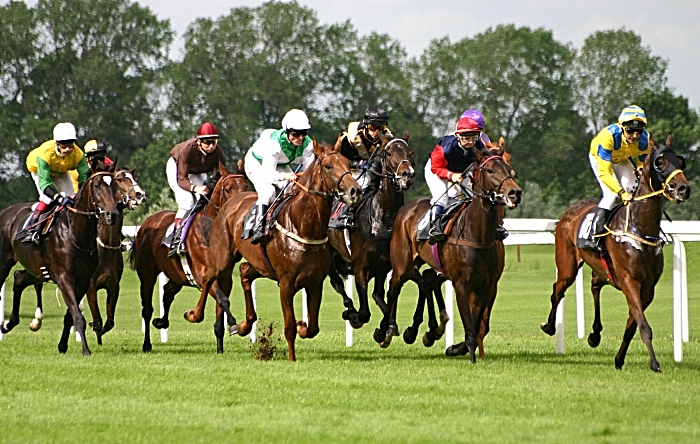
On top of the speed, stamina, and strength of a horse, a major deciding factor towards the outcome of a horse race comes down to the jockey and trainer.
Both the jockey and trainer play a significant role in the outcome of a race, with strategy sometimes making or breaking a horse.
Not only can these adapting strategies change the outcomes of the race, but during the race, horse racing odds shift frequently, which to some extent, signifies how effective each racehorse’s plan is going.
During any race, many variables can change, which requires adaptation to the strategy, making the role of the jockey and trainers significantly important.
The ability for jockeys to respond to changing situations mid-race often separates an impressive performance from disappointing results.
The Importance of a Pre-Race Plan
Before a race begins, both the jockey and trainer will agree on a strategy, which ultimately differs depending on the horse’s strengths and previous performances.
If a horse throughout the years has found triumph in a particular strategy, jockeys and trainers will plan to replicate the proven winning plan.
Some horses perform to the best of their abilities when being placed behind the leading group, and making their move late, whilst others perform better when they lead from the start.
Other variables of a race such as distance can alter the plan.
Horses that run in longer races often benefit from conserving their energy through the early stages, making sure they avoid fatigue before the race comes to an end.
In contrast, a horse running a short distance may need to race fiercely from the opening stage, as these types are more of a sprint.
Early Stages and Positioning
The early stages of a race are essential to achieve success, with the jockey trying to place the horse in a position according to the race plan.
These horses often find themselves competing for positions, with many clashing strategies causing numerous horses attempting to be railside for the first turn.
Jockeys must make decisions in the early stage of a race on where they want to be in the race, which is extremely important in the outcome of a race.
As seen in many races, if numerous horses attempt to lead the race from the start, the overall pace significantly increases, often draining valuable stamina from the horses early on.
In this situation, the jockey needs to make a smart decision whether they wish to stay competing for a leading position or settle behind the leaders and save their energy.
In the opposing argument, if the pace is slower than expected, a jockey may make their forward move earlier than planned, in order to gain an advantage, and begin setting the pace.
If a jockey chooses to stay behind even in a slow race, it may be difficult to catch the leaders in the final run in, as all horses should have energy to burn.
Track Conditions and Their Influence
Track conditions can significantly impact the strategy in a horse race, with different weather events causing different ground firmness.
Heavy rainfall can create softer and slower ground, which can drain stamina from the horses with increased demand to navigate the softer track.
As opposed to this, dry conditions may have a reverse effect, with firmer ground that allows for a faster pace overall.
Some horses prefer to race when the ground is wet and muddy, with stronger, more endurance-oriented horses thriving in these conditions.
As the race progresses, jockeys must be quick-thinking, assessing how effectively their horses are performing under the current ground conditions.
If a horse appears comfortable, the jockey may request more from the stallion.
The Mid-Race Adjustment
Whilst it is often ignored, the mid-race often proves essential in the outcome of a horse race.
The middle section requires careful planning by the jockey, who will assess how the current strategy is performing and whether any changes are needed.
If the jockey can assess that the horse is getting fatigued, it may be positioned further behind in order to preserve energy.
This stage of the race is essential; many races are often won or lost here, as a jockey must assess various factors all at once.
In this period of the race, they must assess the overall pace of the race, how rival horses are travelling, current track conditions, and more, all to determine whether their horse could make a move late in the race.
The Final Stages
As the finish approaches, strategy becomes increasingly aggressive. Jockeys ask their horses for maximum effort and attempt to gain every possible advantage.
Position becomes critical because even small delays can affect the outcome.
In horse racing, riders near the front may try to increase the pace and break clear of challengers.
Horses coming from behind aim to produce a strong finishing burst at the right moment.
Timing is essential because a move made too early may weaken before the line, while a move made too late may run out of distance.
The final furlongs often reveal which tactical decisions were correct. A well-judged ride can transform a good horse into a winning one.
Conclusion
Strategy in horse racing is constantly changing from the moment the race begins until the finish line is crossed.
Although trainers and jockeys start with a clear plan, they must remain flexible throughout the contest.
Factors such as pace, positioning, rival tactics, and track conditions all influence decision-making during the race.
Success often depends on making the right adjustment at the right time.
Horses provide the power and ability, but effective tactical decisions allow that talent to be used in the most efficient way.
This combination of athletic performance and strategic thinking is one of the reasons horse racing remains such a fascinating sport.









Recent Comments