






Why limescale shows up so quickly in hard-water homes
If you live in or around Nantwich, you might already know the familiar signs of hard water: cloudy glassware, a chalky ring around the kettle, and taps that never quite look freshly polished for long.
Limescale is the crusty build-up left behind when water evaporates and minerals like calcium and magnesium settle on surfaces.
It is harmless in small amounts, but it can look grimy, dull shiny finishes, and quietly shorten the life of appliances that heat water.
The tricky part is that limescale does not announce itself all at once. It starts as a faint haze on shower screens or a slightly rough patch around a tap base, then becomes that stubborn, pale crust that clings on.
Catching it early is less about perfection and more about making your weekly clean easier and faster.
Spot the early warning signs before it becomes a weekend job
In the bathroom: dull chrome, rough tiles, and slow-flowing shower heads
Bathrooms are limescale’s favourite because they are damp, warm, and regularly splashed.
If your chrome fittings look matte instead of reflective, or you can feel a gritty texture when you run your fingers around the tap, that is mineral build-up starting to settle in.
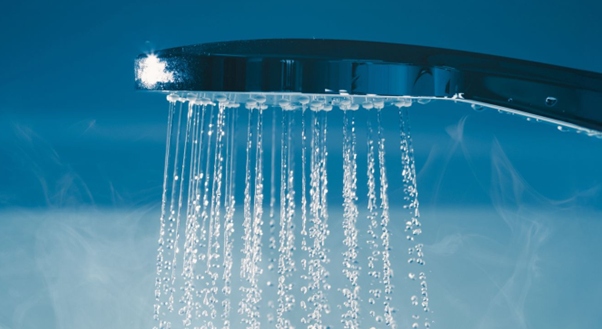
Shower heads often give the clearest clue: jets begin to spray sideways, water pressure feels weaker, and little white flecks can appear around the nozzles.
In the kitchen: cloudy kettles and tired-looking sinks
Kettles and coffee machines heat water again and again, which concentrates minerals and speeds up scale.
A kettle might sound louder as it boils, take longer to heat, or develop a chalky line inside.
Stainless-steel sinks can also show pale marks around the drain or where water pools, especially if they are left to air-dry.
If you want a practical, step-by-step refresher on how to remove limescale, it helps to compare methods by surface type so you do not accidentally damage finishes while chasing that “like new” shine.
Safe, effective removal methods (and what not to do)
Start with the gentlest option that can realistically work
For light limescale, warm water with a small amount of washing-up liquid and a non-scratch cloth can sometimes lift the film, especially on tiles and around sinks.
If you are dealing with a chalky ring around a tap, a short soak using a mild acidic solution like diluted white vinegar can help, but it needs care: avoid leaving it sitting on natural stone, delicate coatings, or surfaces that are known to react poorly to acids.
Use contact time instead of elbow grease
The biggest mistake is scrubbing harder and harder. Abrasive pads can leave micro-scratches that make future limescale cling more easily, and harsh powders can dull chrome and glazed surfaces.
A better approach is to let your chosen descaling method sit briefly, then wipe away gently.
Think of it like loosening dried porridge on a pan: time does the work, not force.
Be cautious with “kitchen chemistry” tips
You will hear all sorts, from cola to baking soda pastes. Some of these can help in specific situations, but they are not universally effective, and mixing products is where problems start.
Never combine bleach with acidic cleaners, and do not experiment with multiple solutions in one session.
If you are unsure what your surface is made from, test in a small hidden spot first and rinse thoroughly.
Room-by-room playbook for common limescale hotspots
Taps and fixtures
Wrap a soft cloth around the base of the tap where scale is visible, apply your chosen solution to the cloth rather than pouring directly onto the fitting, and leave it for a short spell.
This controls where the liquid goes and reduces the chance of drips marking surrounding surfaces. Rinse well and buff dry, because drying is what prevents the next round of spots.
Shower screens and tiles
For glass, work top to bottom so you are not chasing drips. A squeegee after each shower makes an outsized difference, even if you only do it for 20 seconds. On tiles and grout, avoid harsh scouring tools.
A soft brush can help around grout lines, but the main win is thorough rinsing so no residue stays behind to attract new mineral deposits.
Kettles, coffee machines, and small appliances
Always follow the manufacturer’s descaling guidance first, especially for coffee machines.
As a general habit, empty the kettle after use rather than letting water sit overnight.
That simple step reduces the cycle of evaporation and mineral settling, and it makes descaling less frequent.
Prevention that feels realistic, not fussy
Drying is the underrated secret
Limescale forms when water dries on a surface, so anything that reduces lingering droplets reduces build-up.
Keep a microfibre cloth under the sink and give taps and the shower area a quick wipe a few times a week.
It is not about showroom sparkle, just stopping minerals from getting comfy.
Build a “little and often” routine
A short weekly clean beats a monthly battle.
If you have ever tried to remove thick scale from a shower head right before guests arrive, you know the feeling: the bathroom looks fine at a glance, then the light hits the glass and the chalky streaks suddenly seem louder than the extractor fan.
Ten minutes a week keeps you out of that panic-clean zone.
Consider your water habits
If you live with hard water, small changes add up: do not leave wet flannels on taps, avoid letting puddles sit around the sink, and rinse bathroom surfaces well after using soaps that can combine with minerals to create stubborn deposits.
And when you do tackle how to remove limescale, matching the method to the material is what keeps your surfaces looking good long after the build-up is gone.
A quick checklist for a cleaner finish
Choose non-abrasive cloths, let products do the work with short contact time, rinse thoroughly, and dry to prevent new marks.
If your home has persistent hard water, the goal is not perfection.
It is keeping limescale at the “easy wipe” stage, so your kitchen and bathroom stay bright, functional, and pleasantly low-maintenance.









Recent Comments