






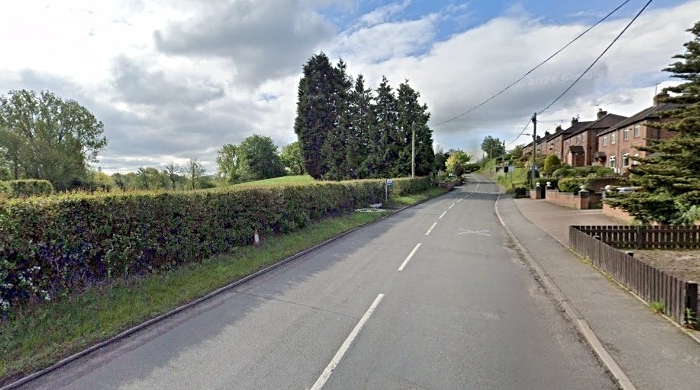
Controversial plans for up to three homes on a field in Wybunbury have been approved – two months after a proposal for six on the same land was refused, writes Belinda Ryan.
Martin and Simon Poole already have permission in principle for up to six homes on the field off Bridge Street.
This was granted by an inspector last year after they appealed against Cheshire East’s non-determination of the application within the five-week time-frame.
In April this year, the same applicants applied for permission in principle (PIP) for another six properties on the same site.
PIP applications are only allowed for up to nine homes.
Ward councillor Janet Clowes (Con), who had objected to both applications, argued if the second scheme was approved it should be classed as a major development of up to 12 homes and the developer would then be subject to different rules, including financial contributions towards items such as affordable housing.
The council’s planning officers agreed and in May refused the second application for up to six homes.
That was on the grounds the proposed development formed part of a larger site with a development approved at appeal.
They said: “Cumulatively the two developments would result in a major development which would take the development outside the scope of the permission in principle procedure.”
The applicants then submitted a third application last month, for up to three homes on the same site and that was approved this week.
Cllr Clowes, Wybunbury Parish Council and 11 residents had objected.
The planning officer’s report acknowledges the three-home development would “result in a change to the rural character of the site and a small loss of agricultural land”.
It says while it is considered to be sustainably located, the proposal conflicts with the development plan as a whole.
But it points out Cheshire East does not have a five-year supply of housing land.
It concludes: “The adverse impacts of the proposal would not significantly and demonstrably outweigh the benefits when assessed against the policies within the NPPF (national planning policy framework).”









Recent Comments